Home

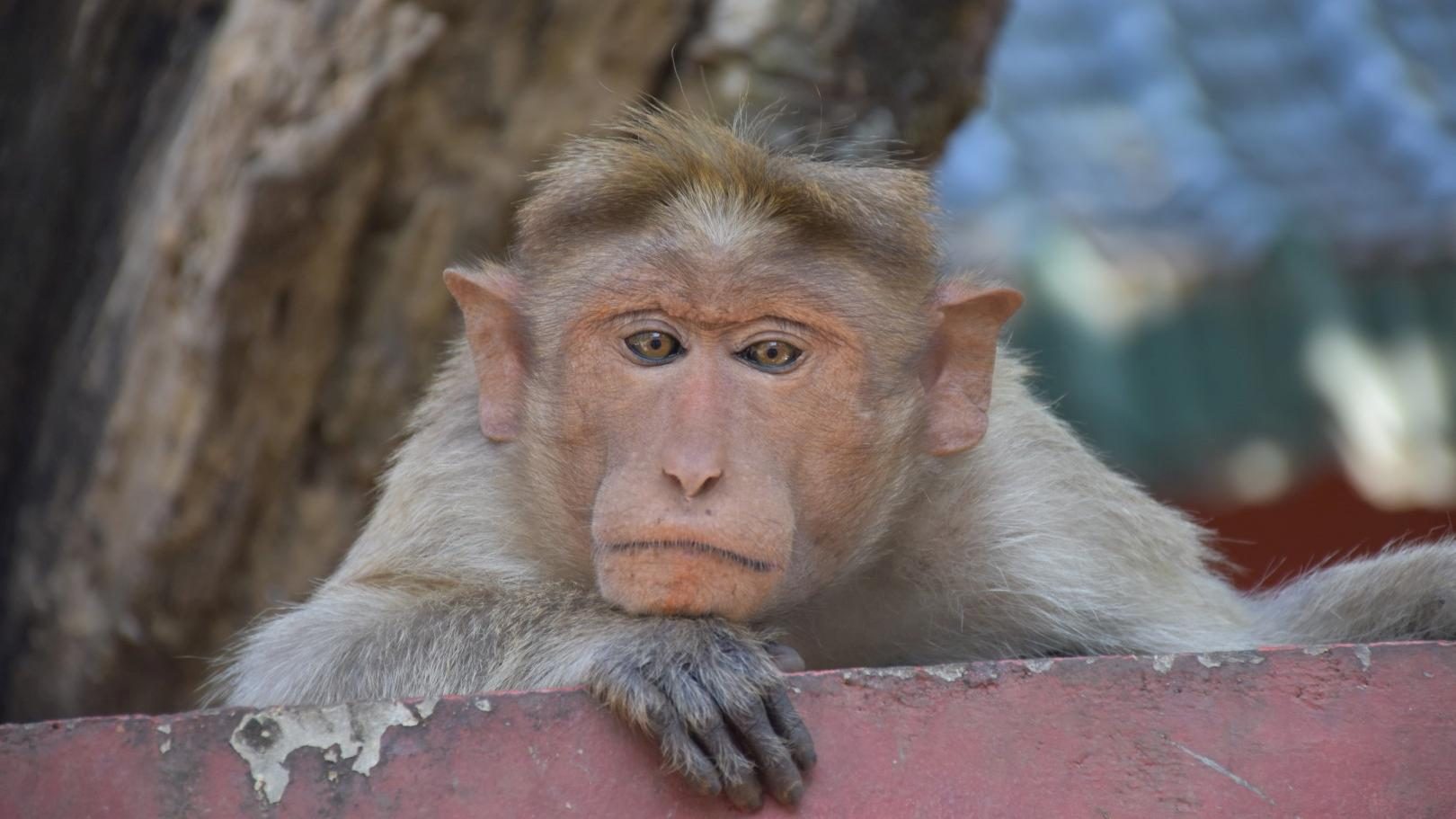
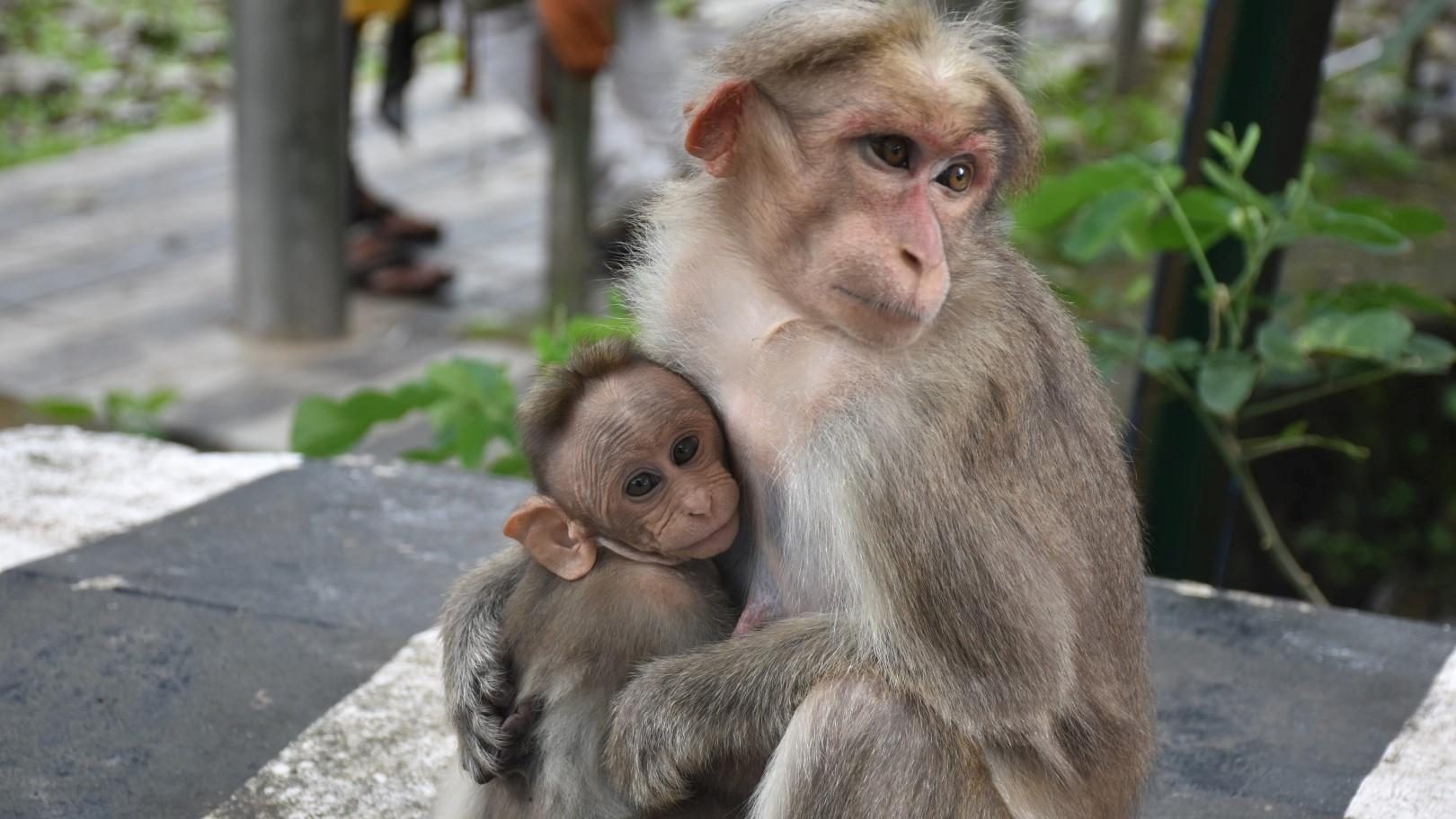
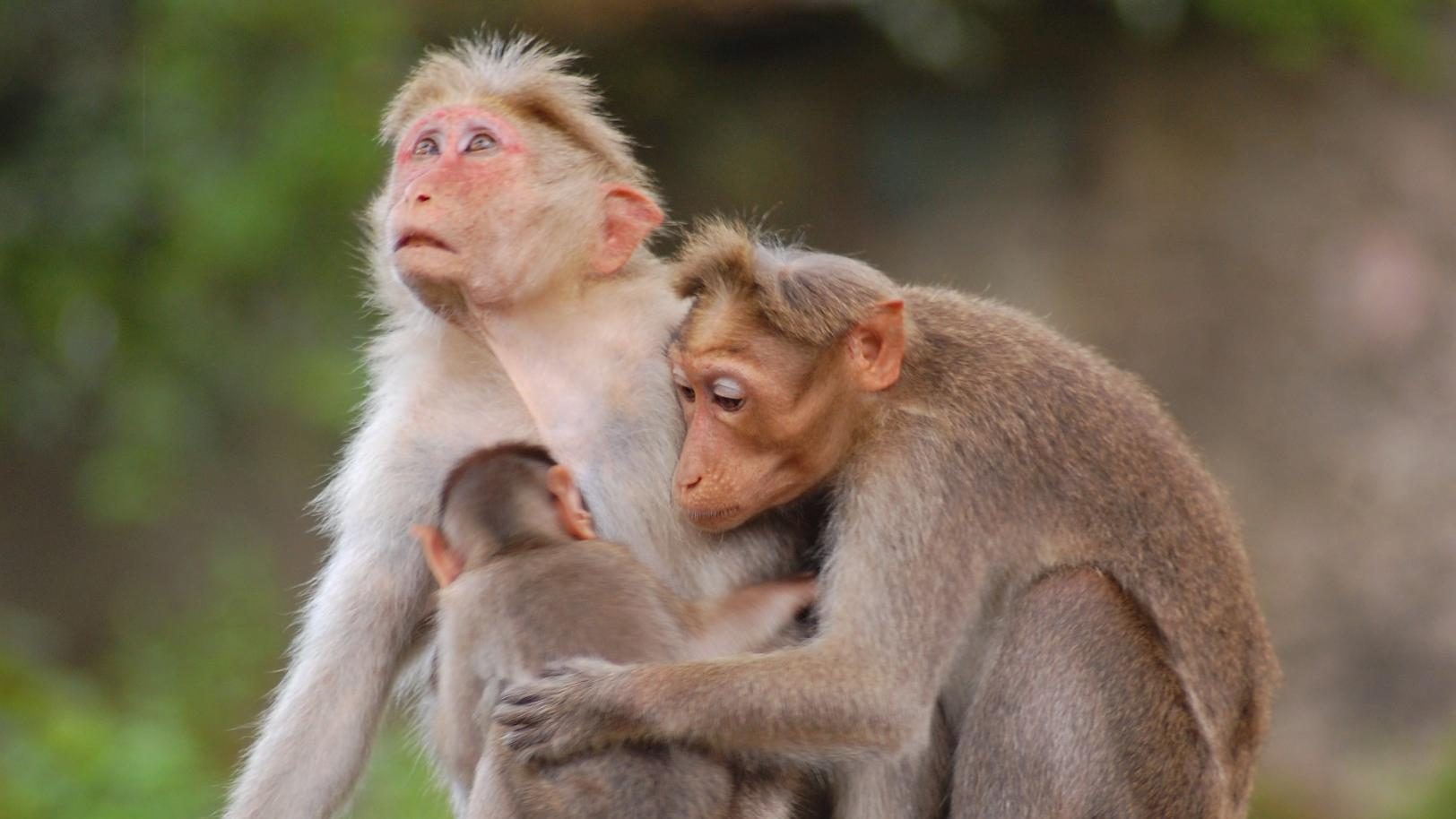
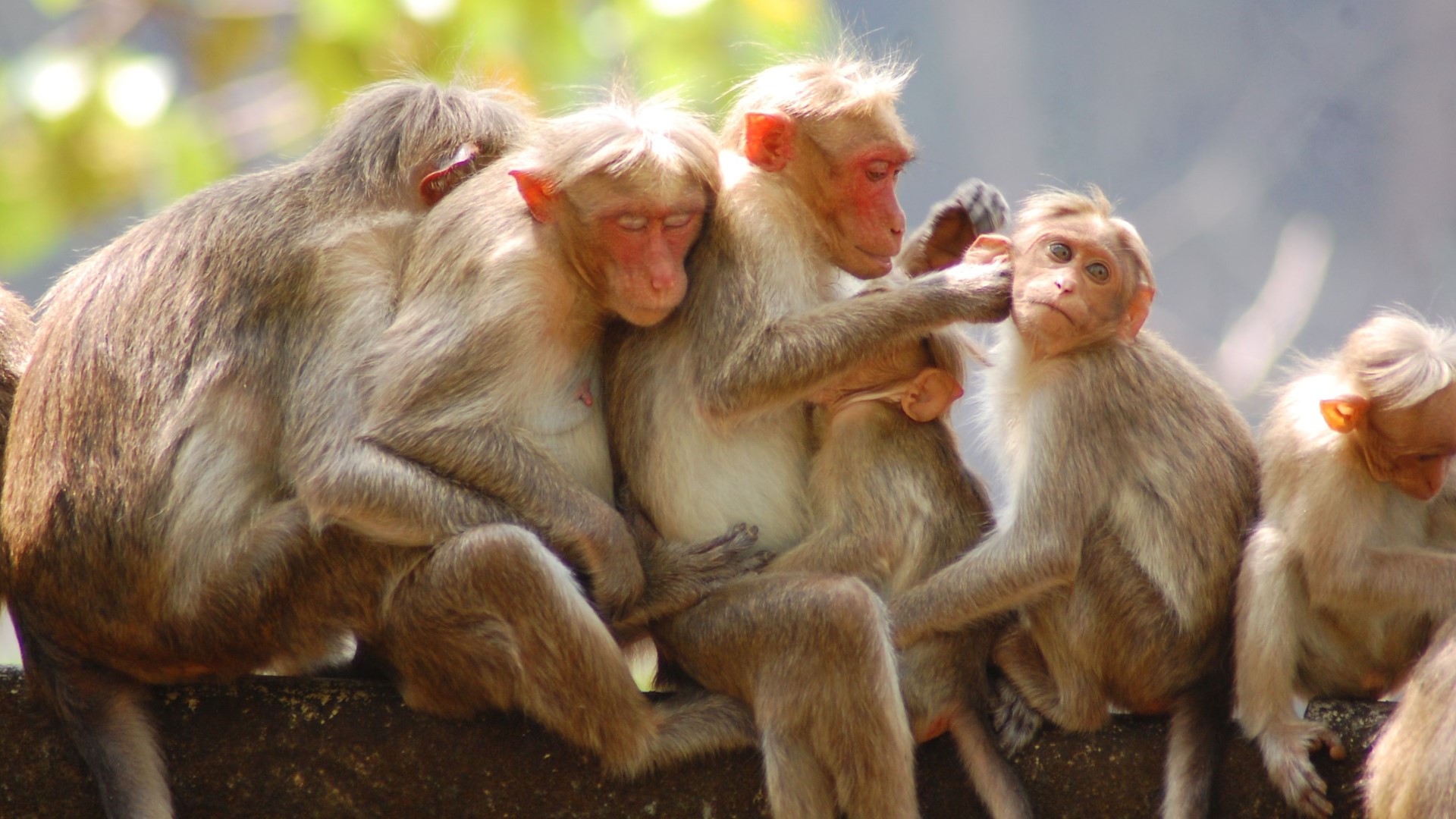
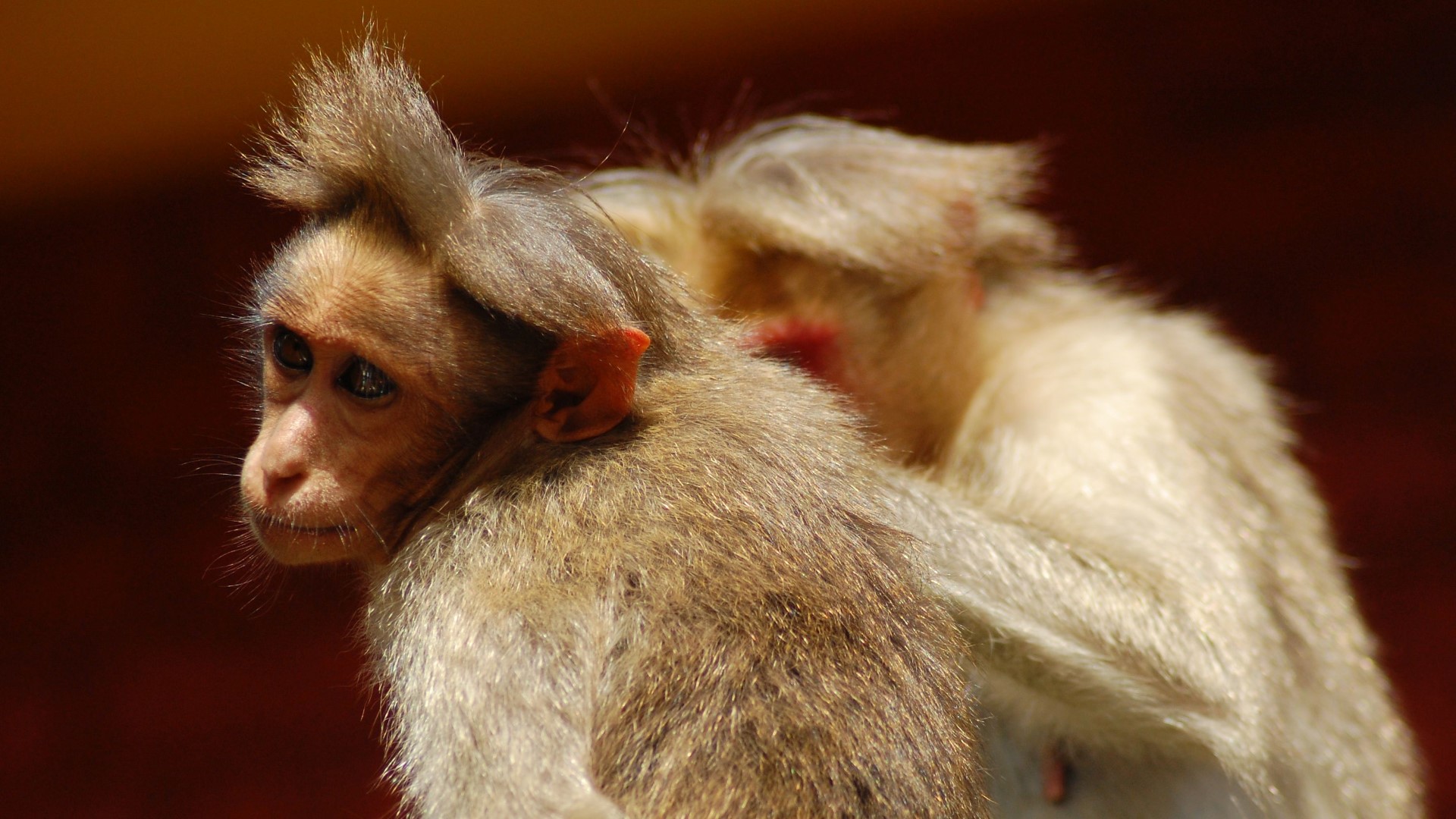
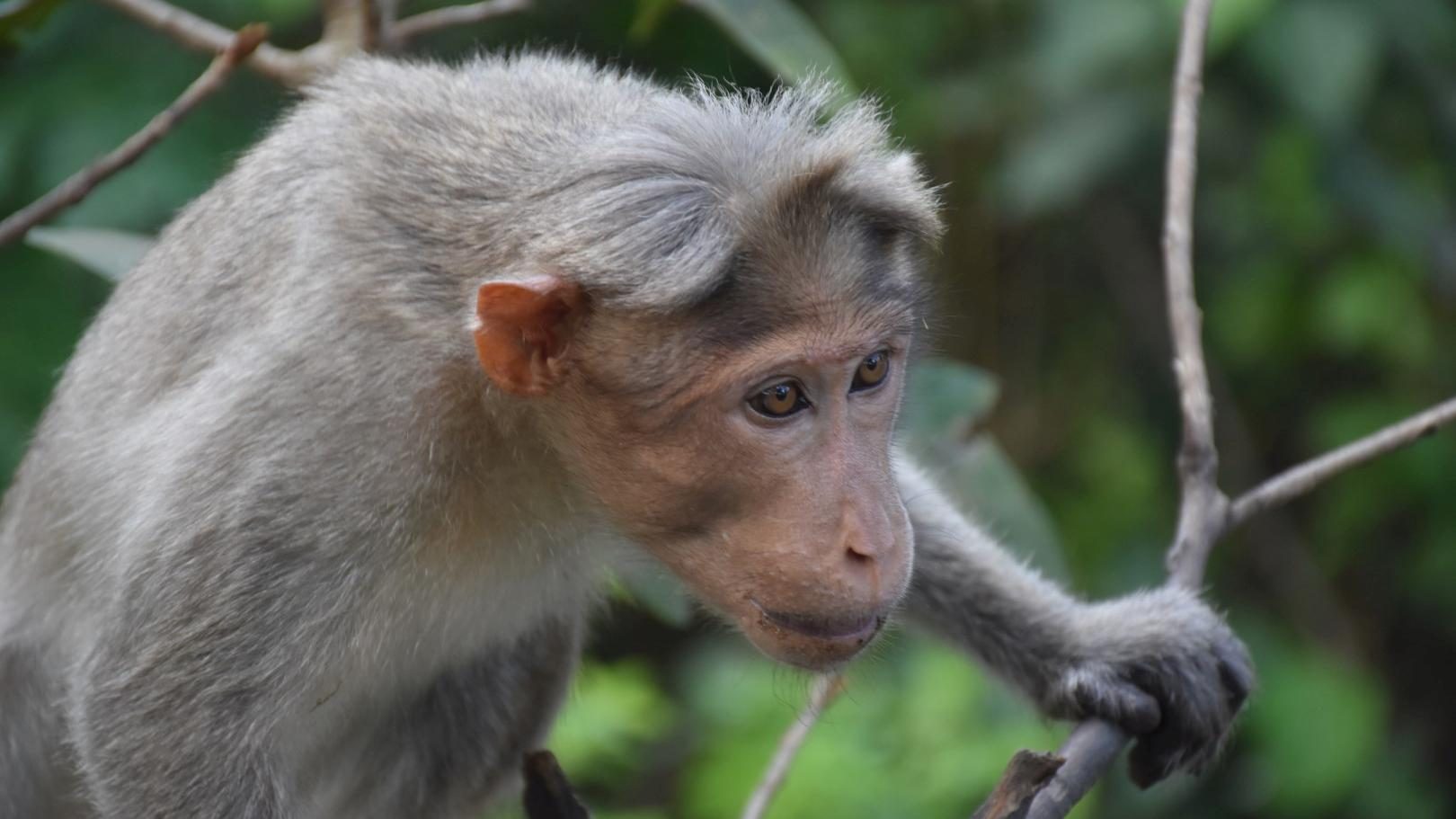
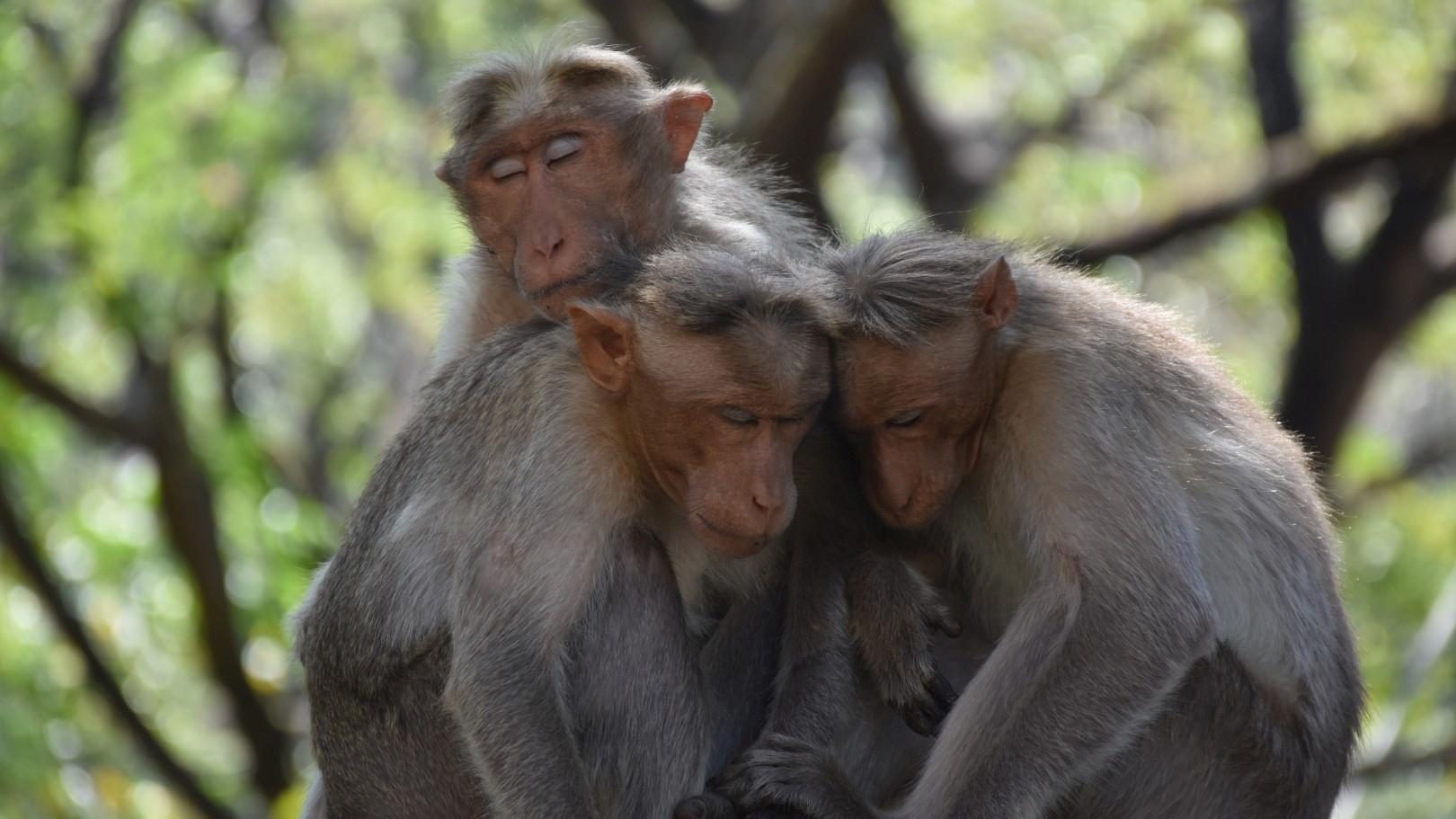
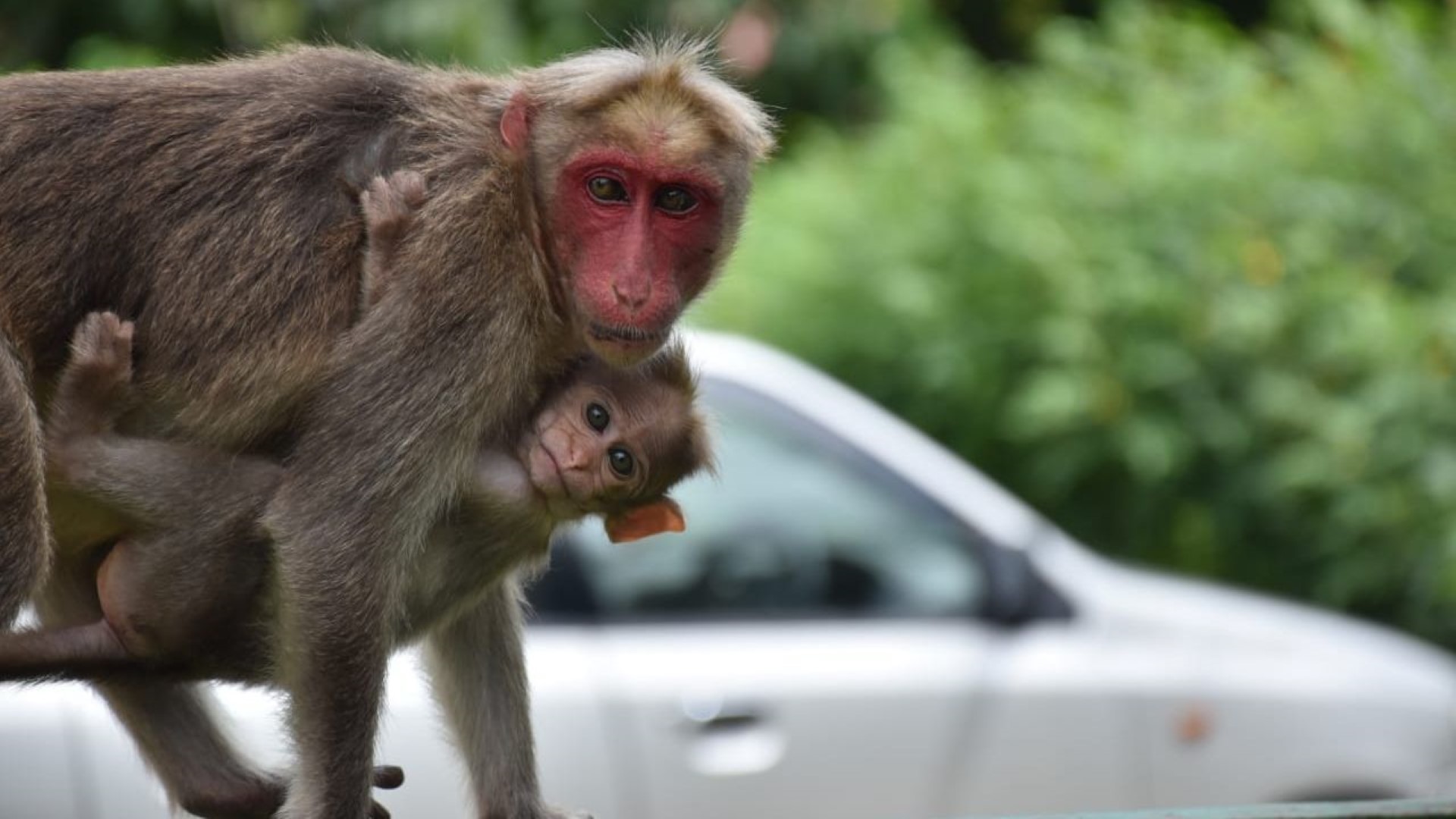
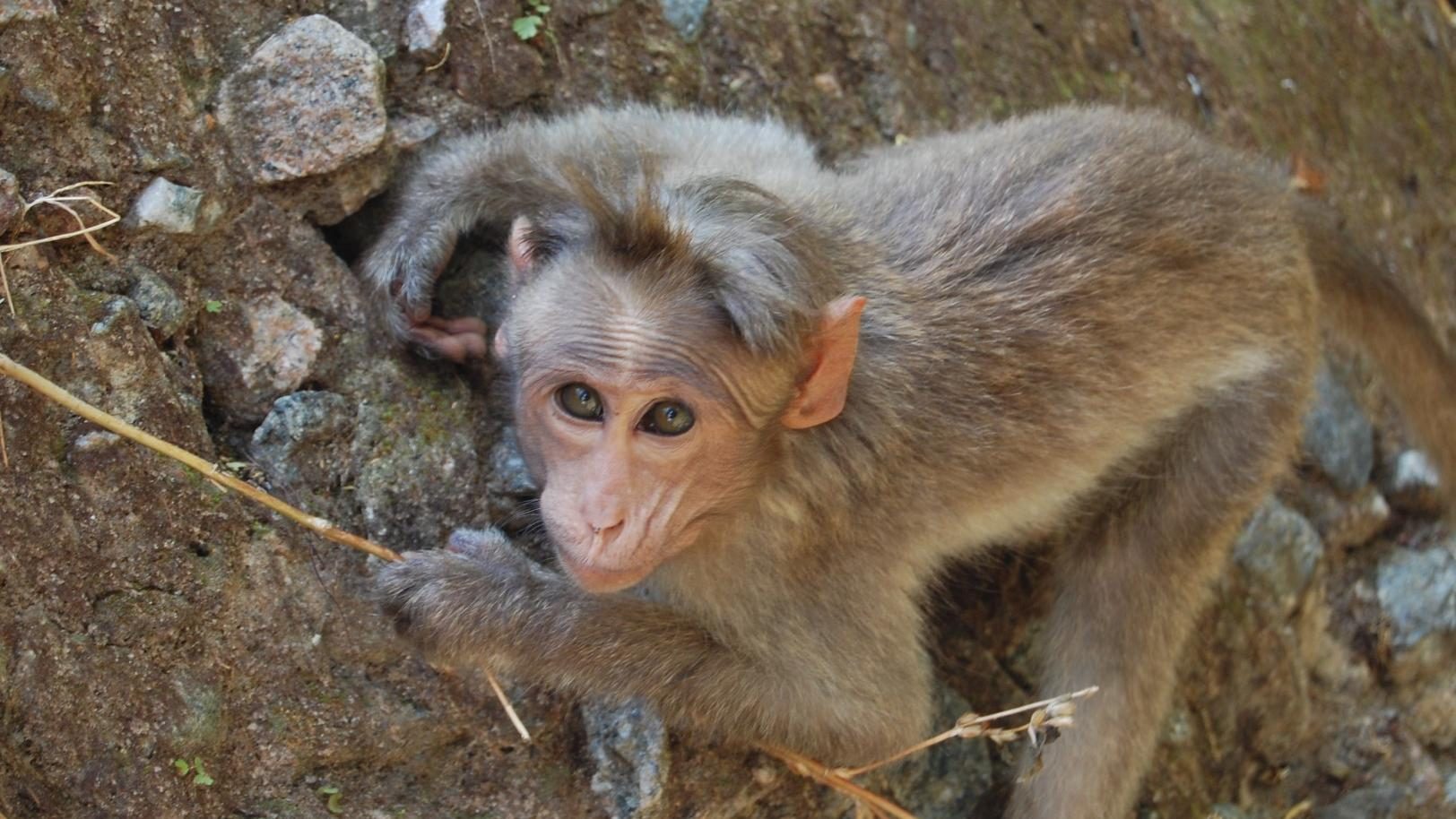
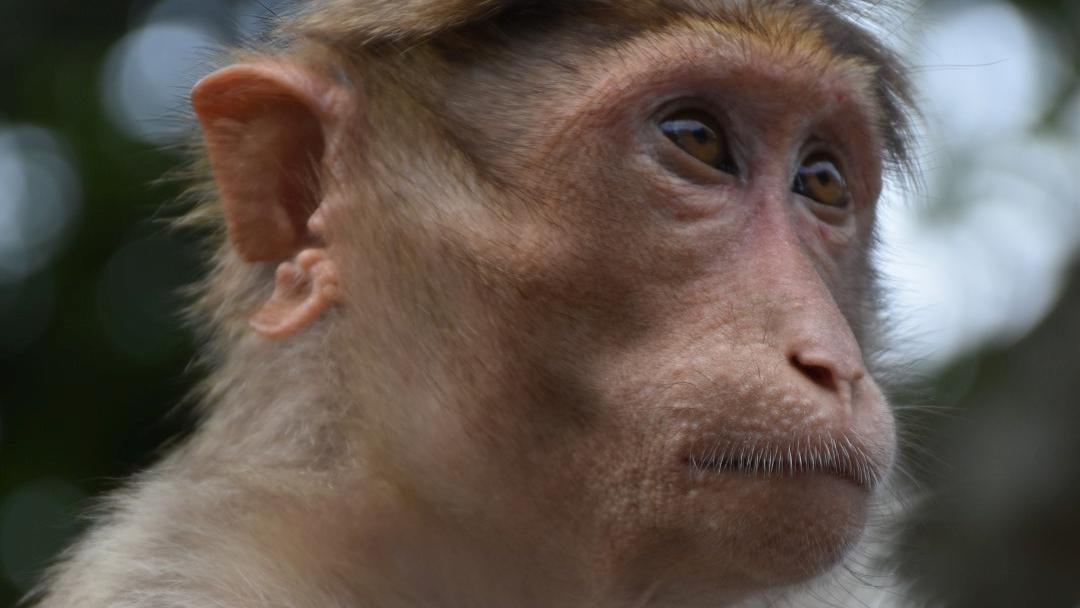
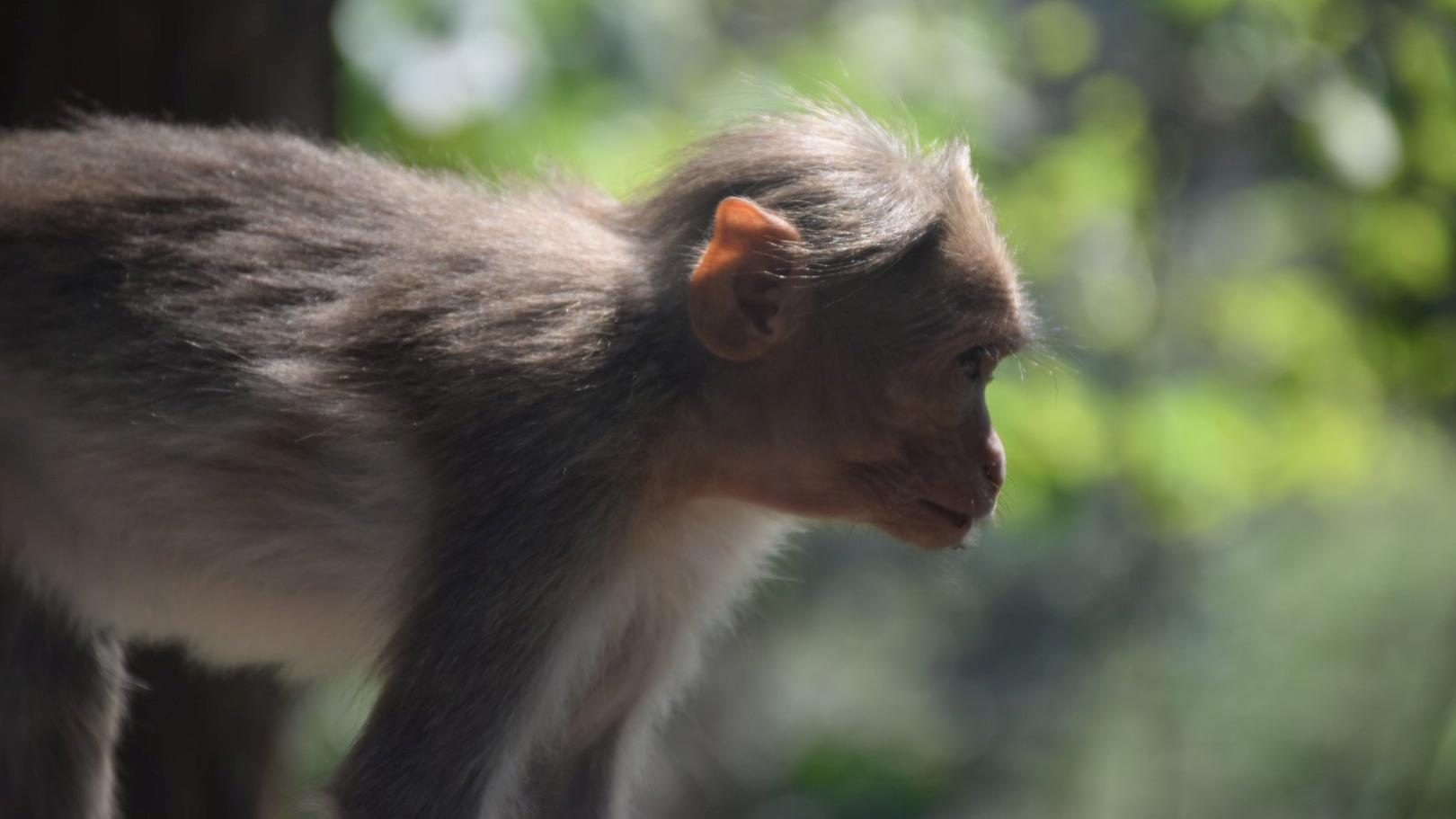
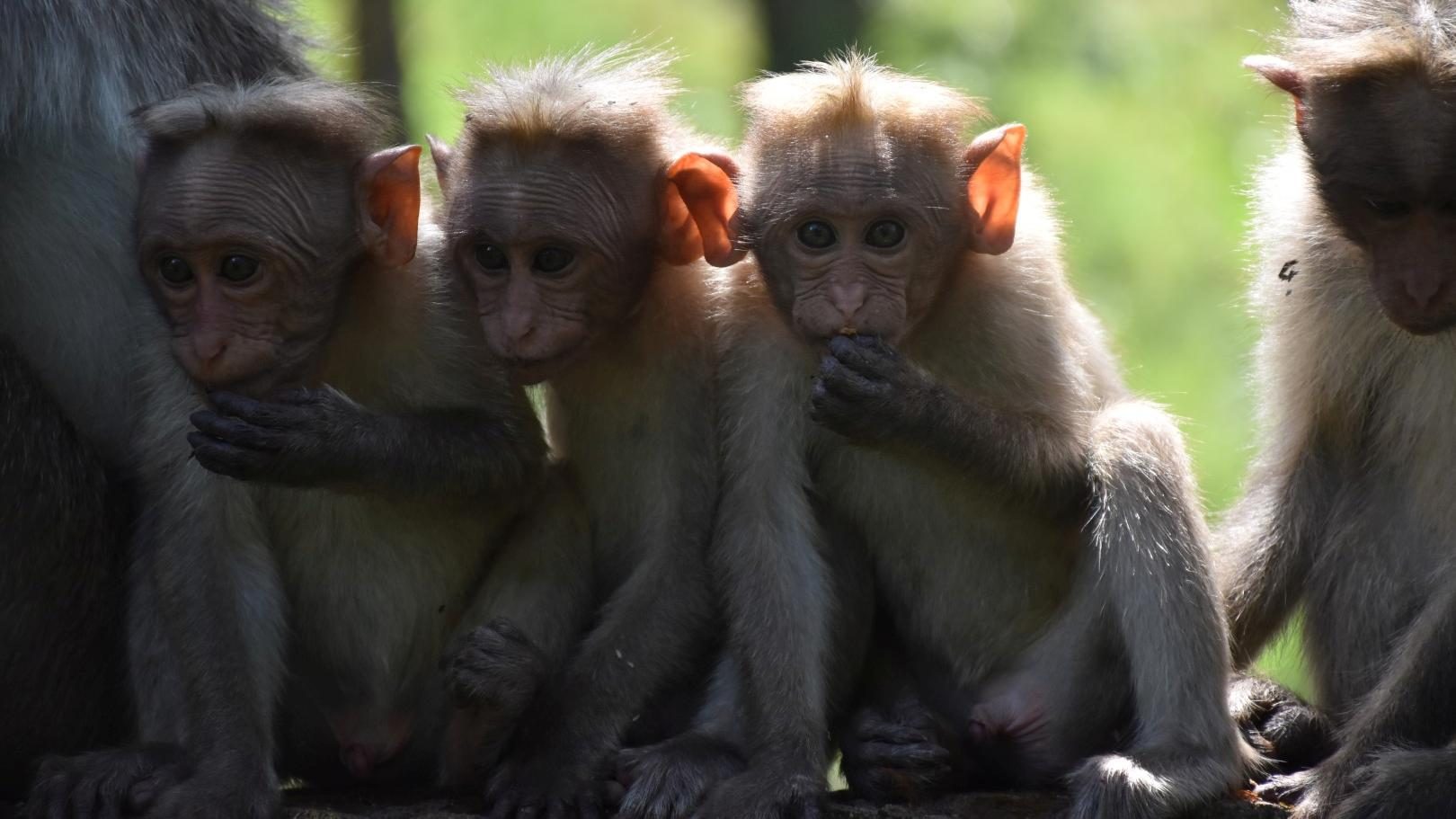
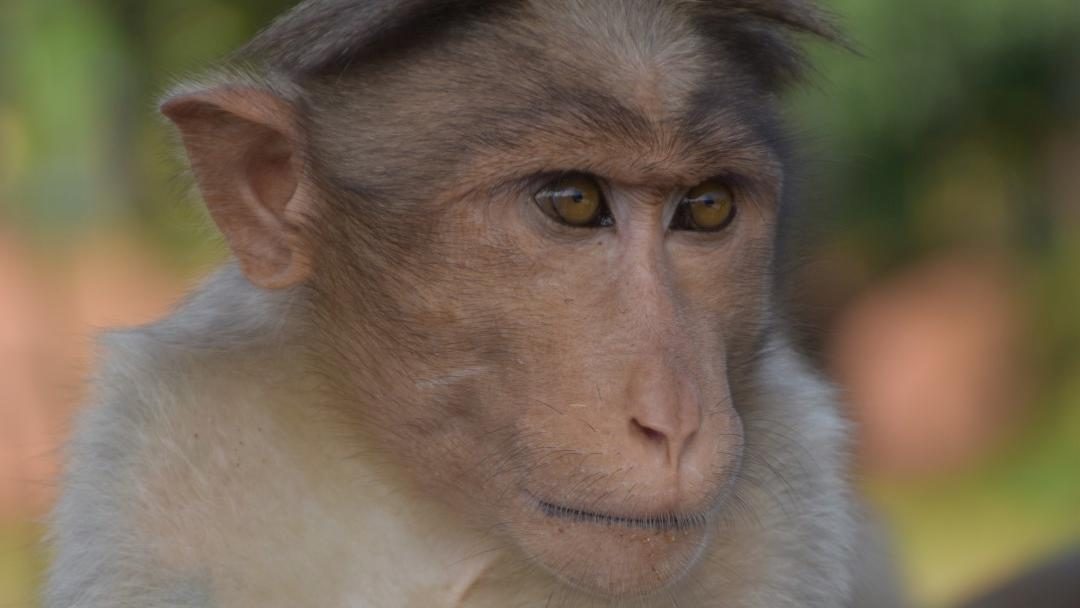
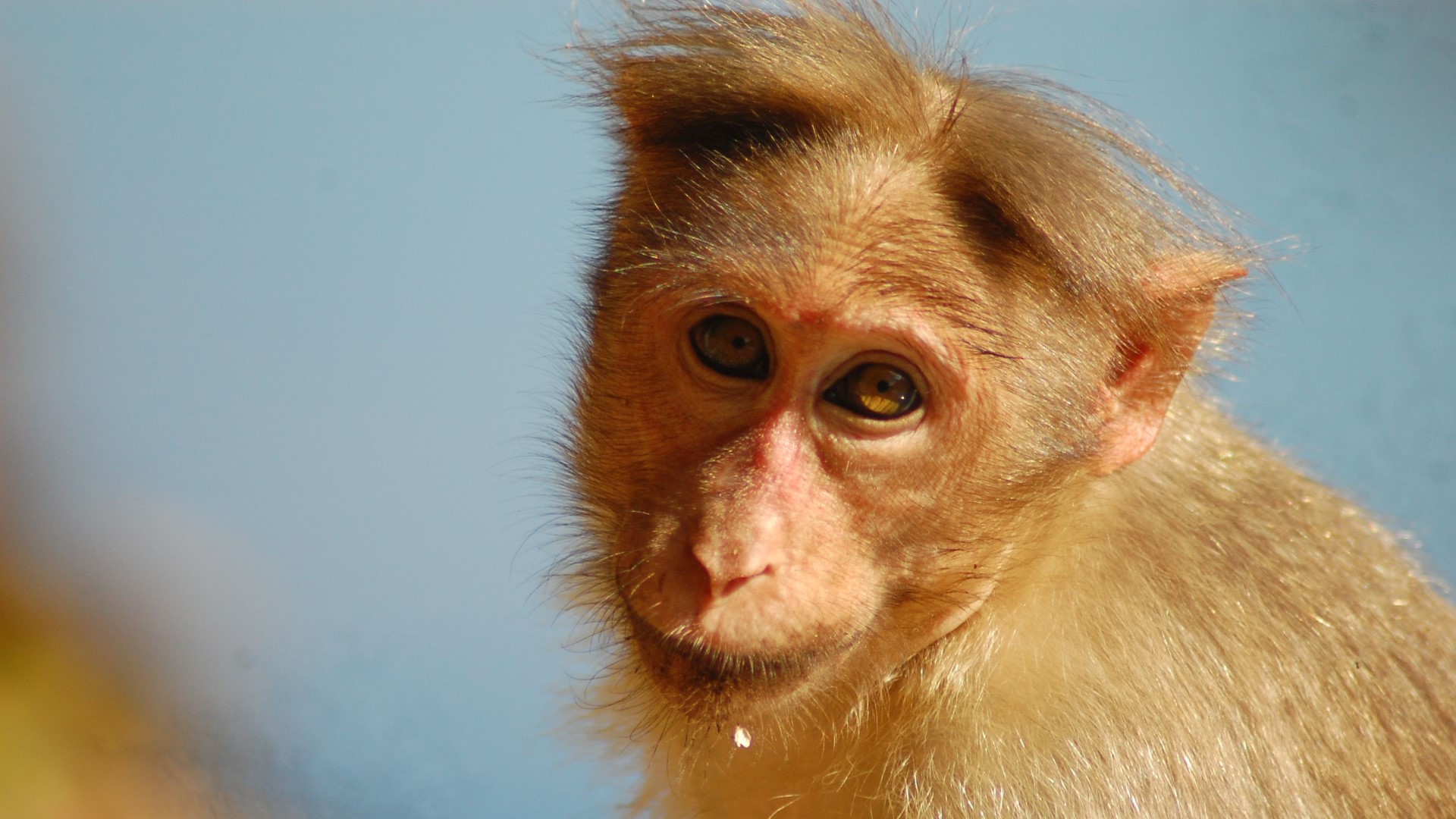
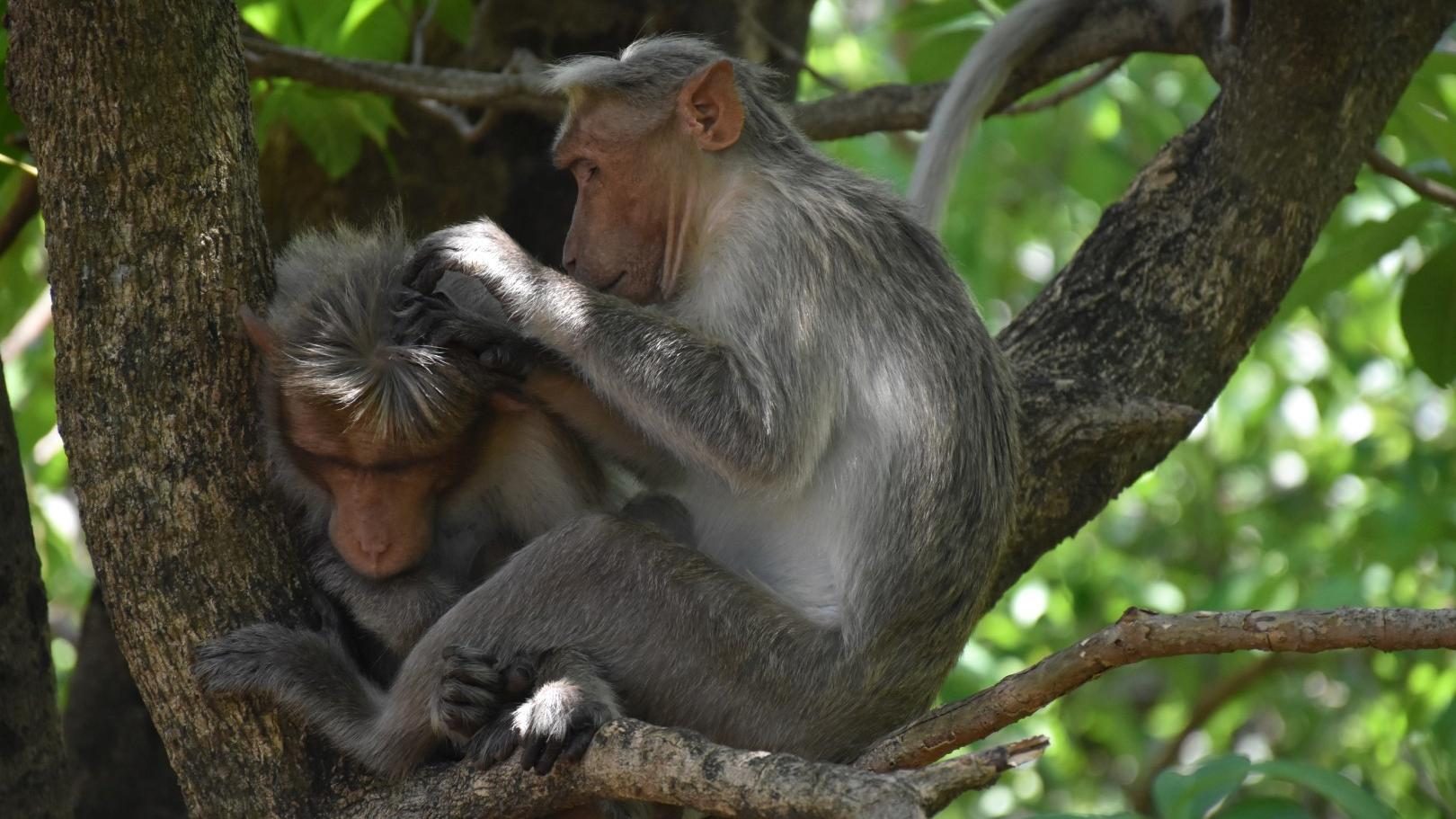
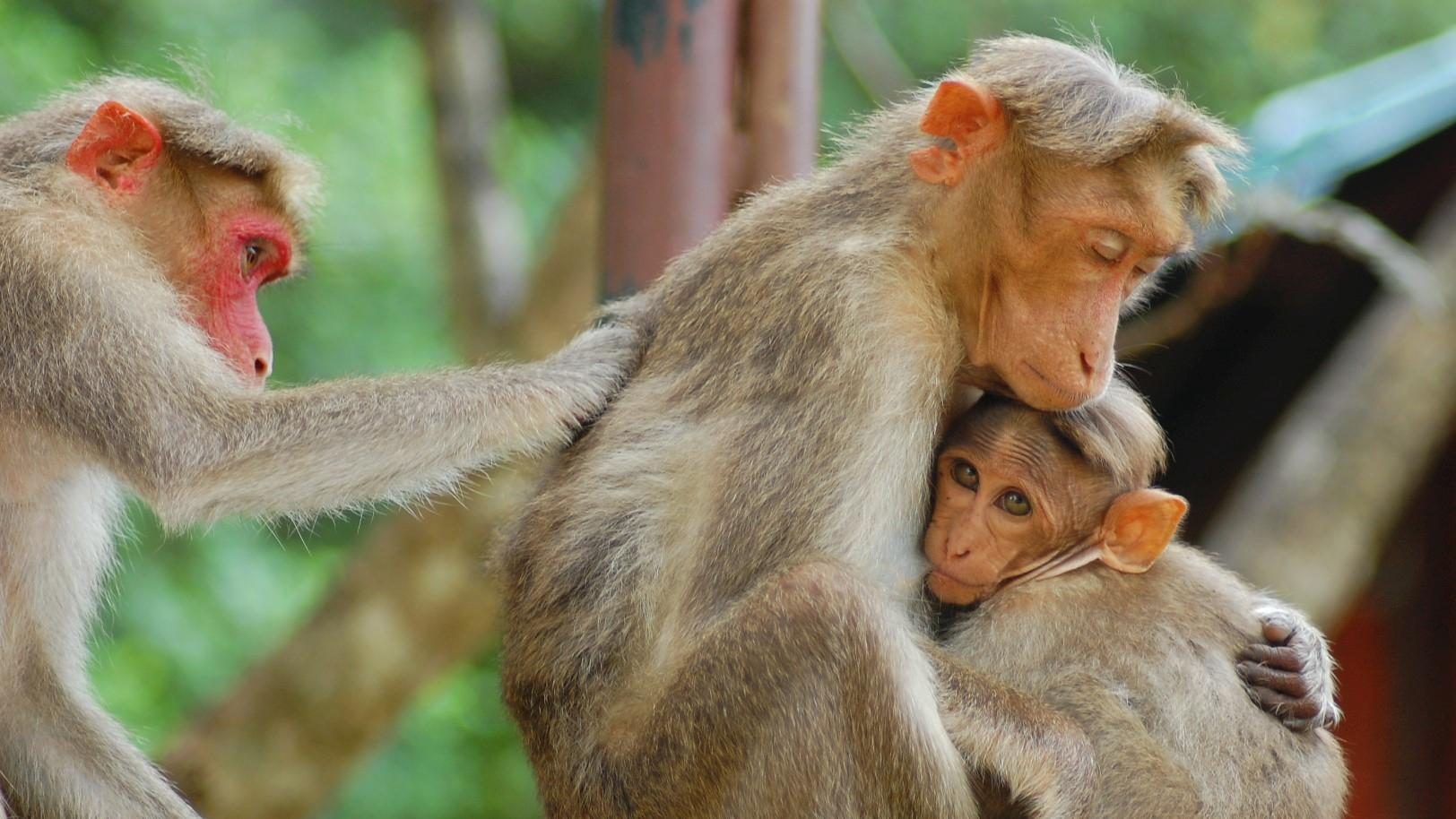
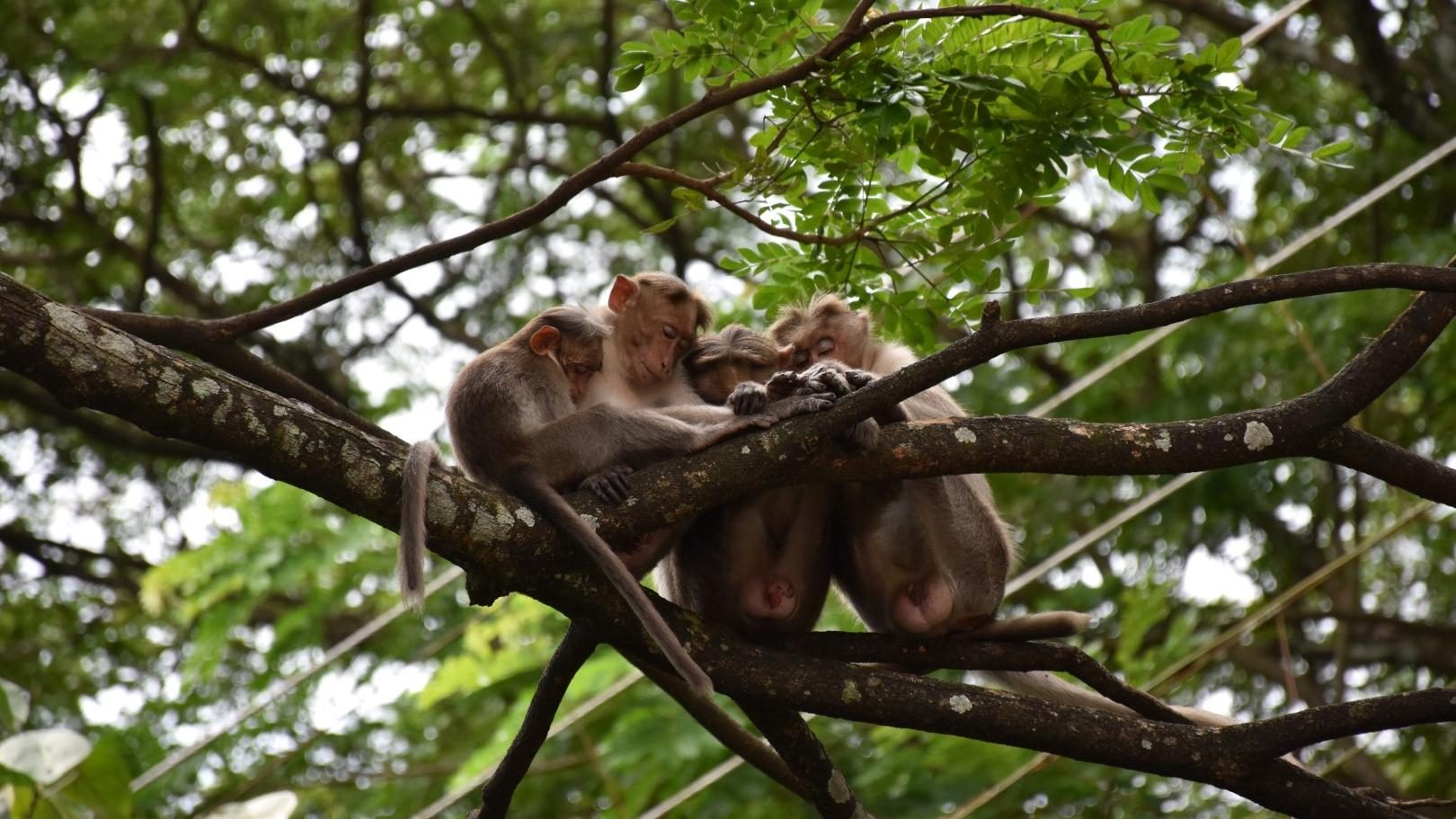
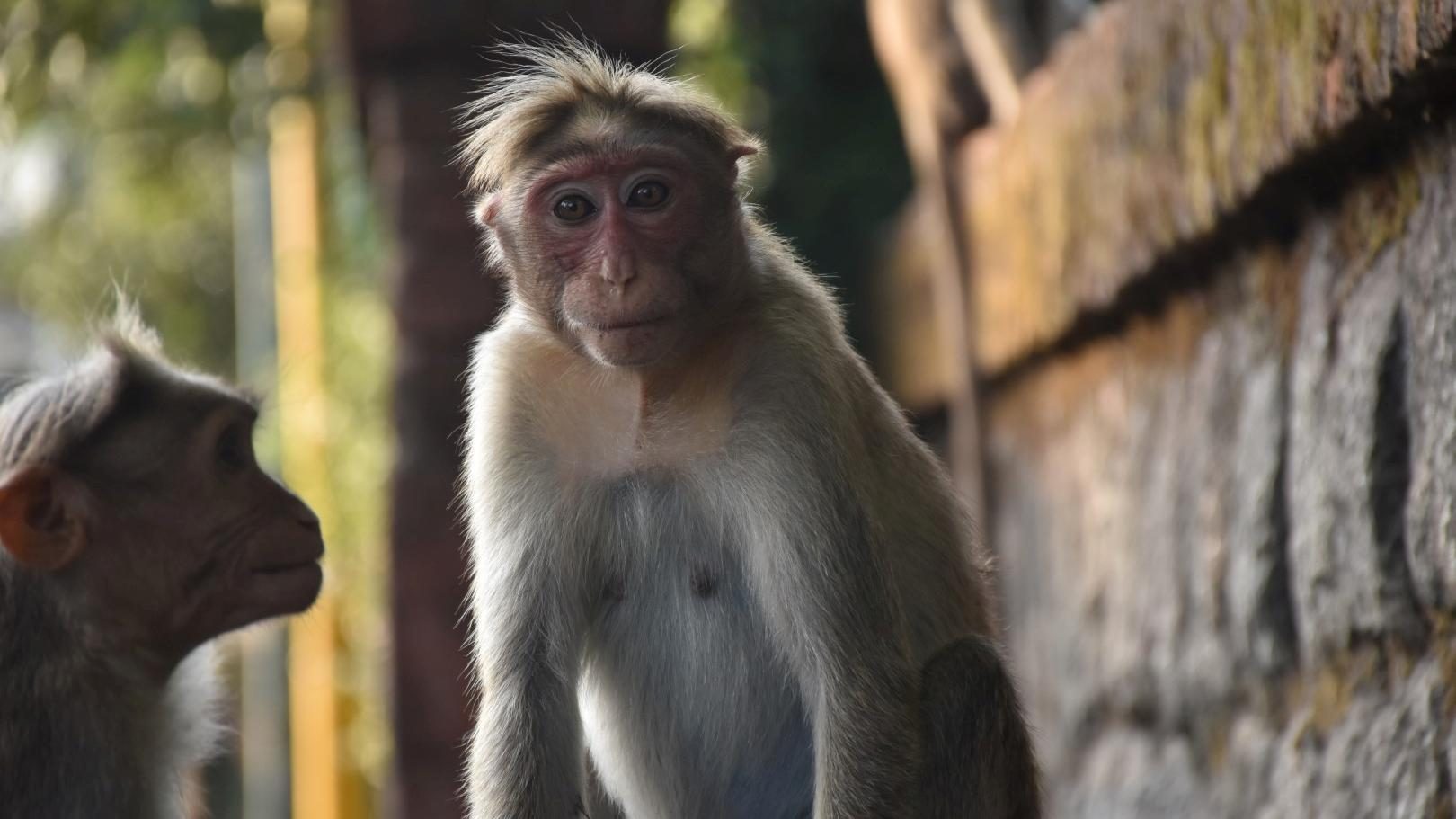
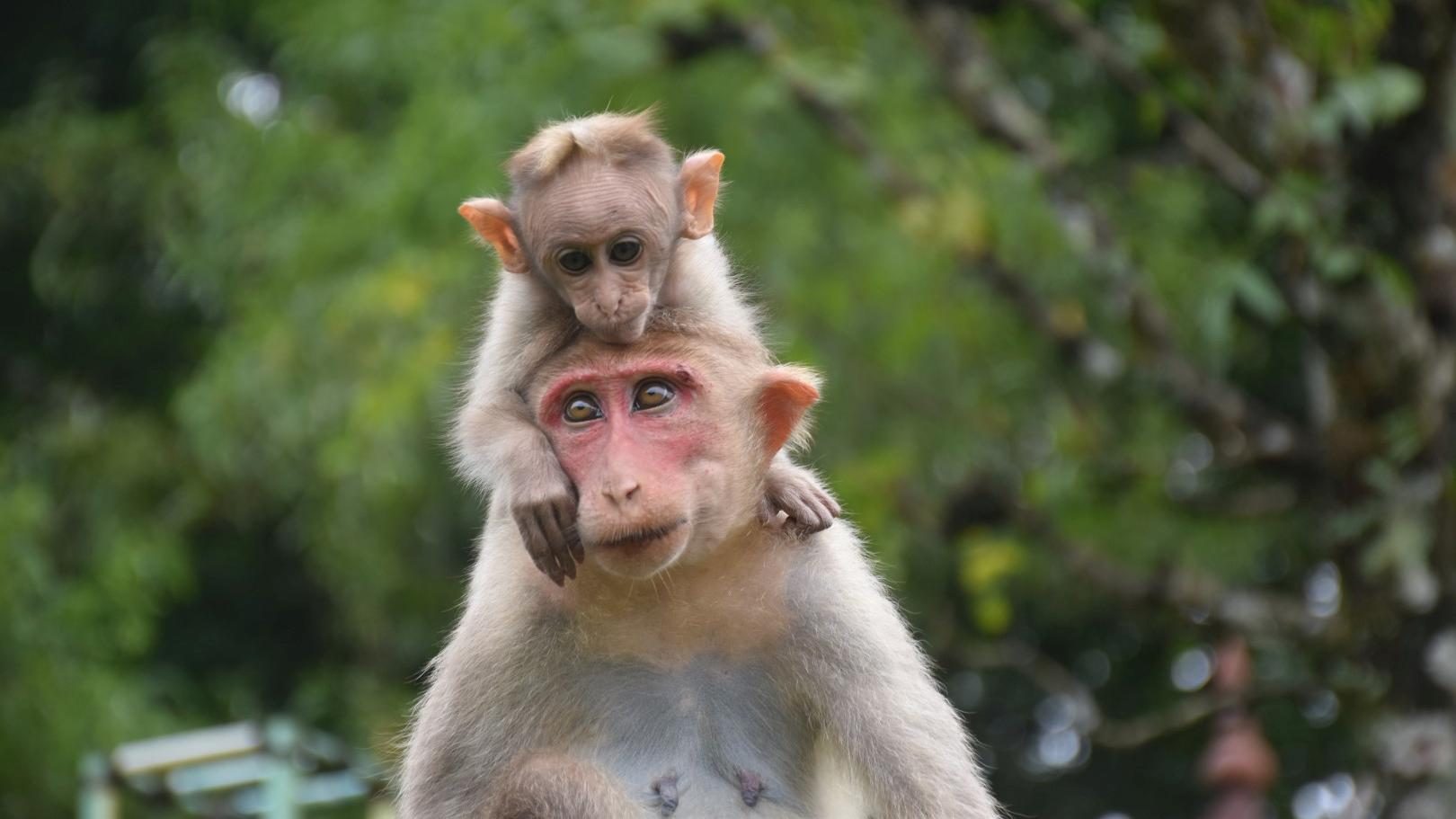
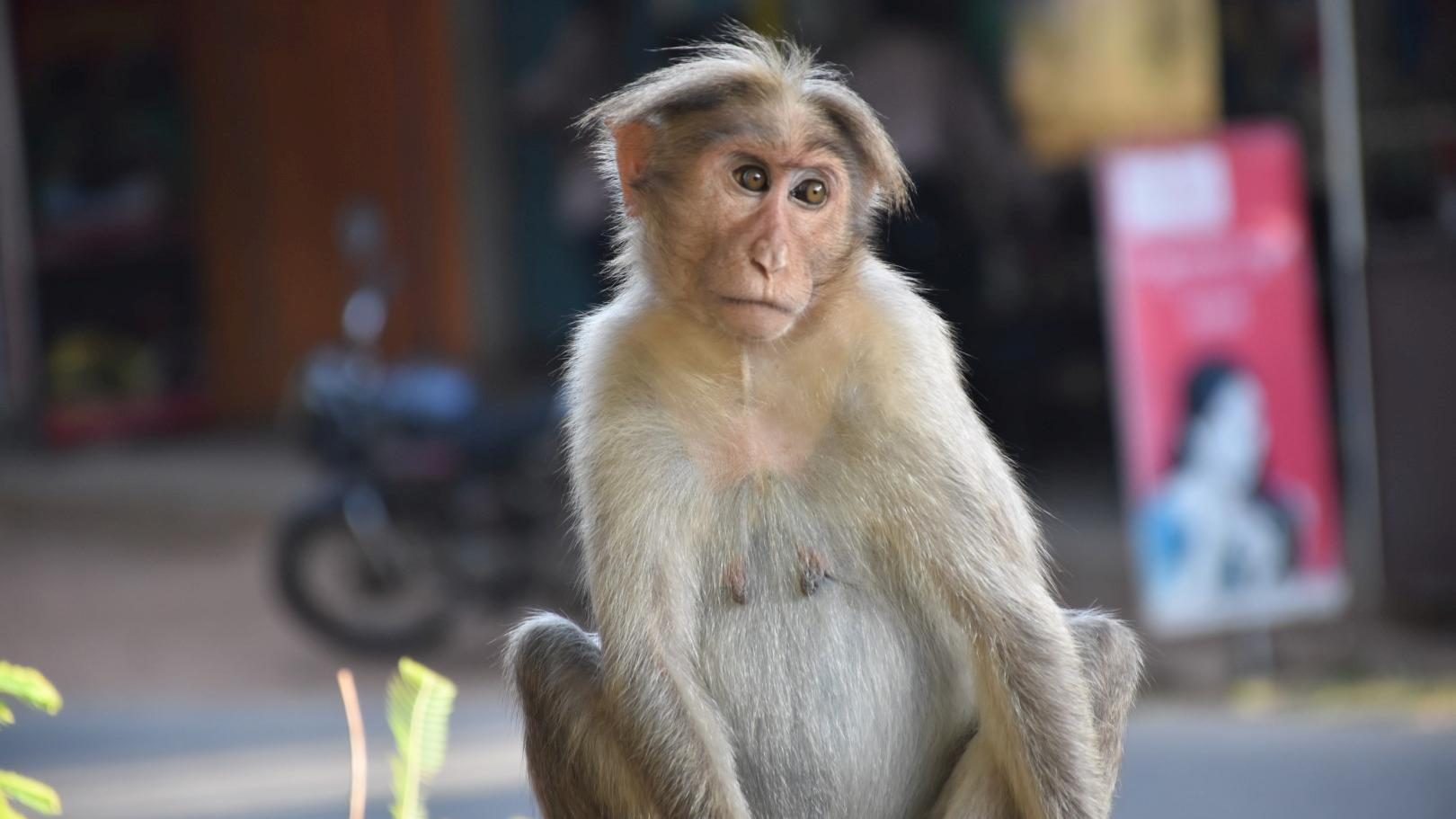
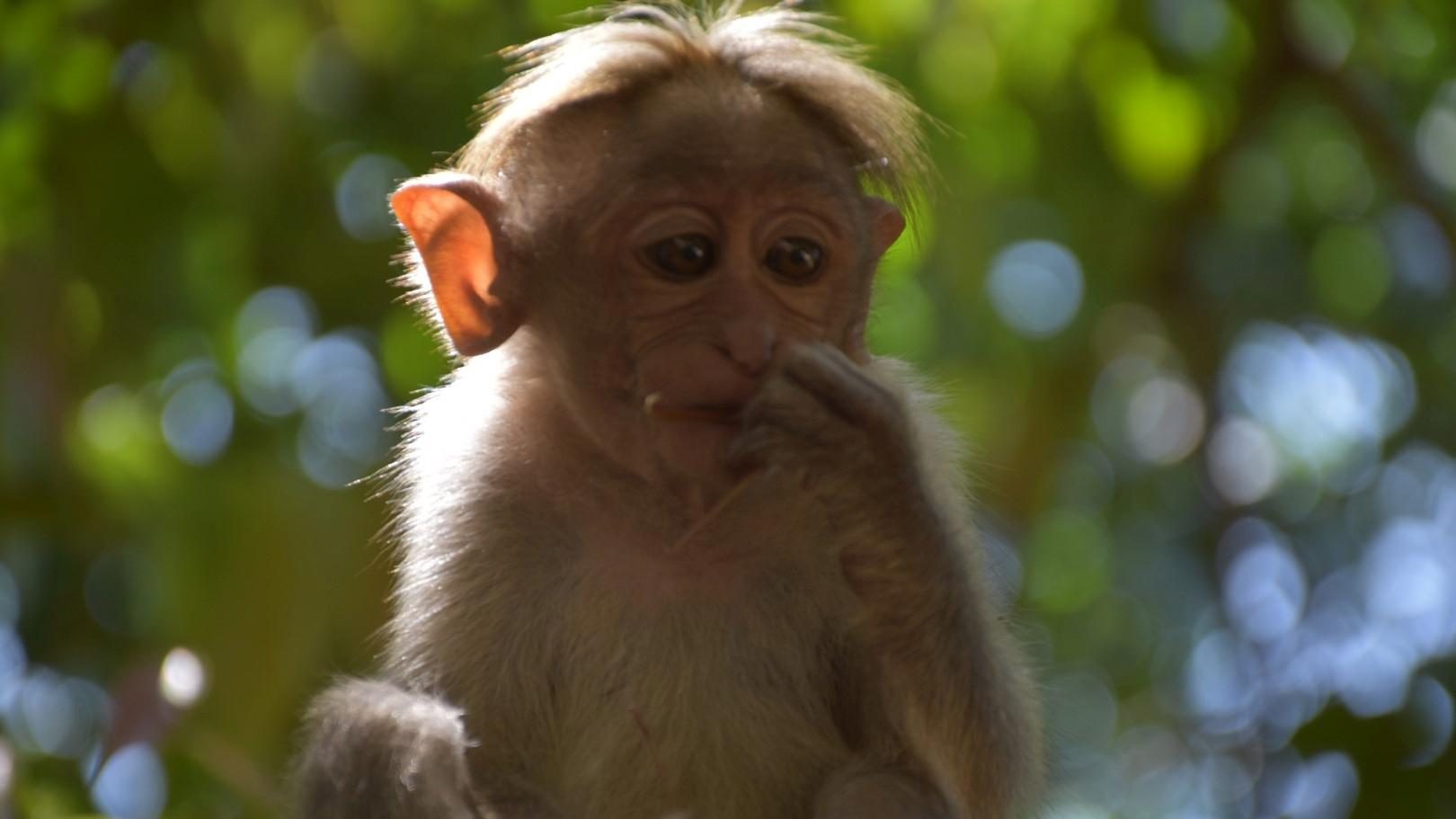
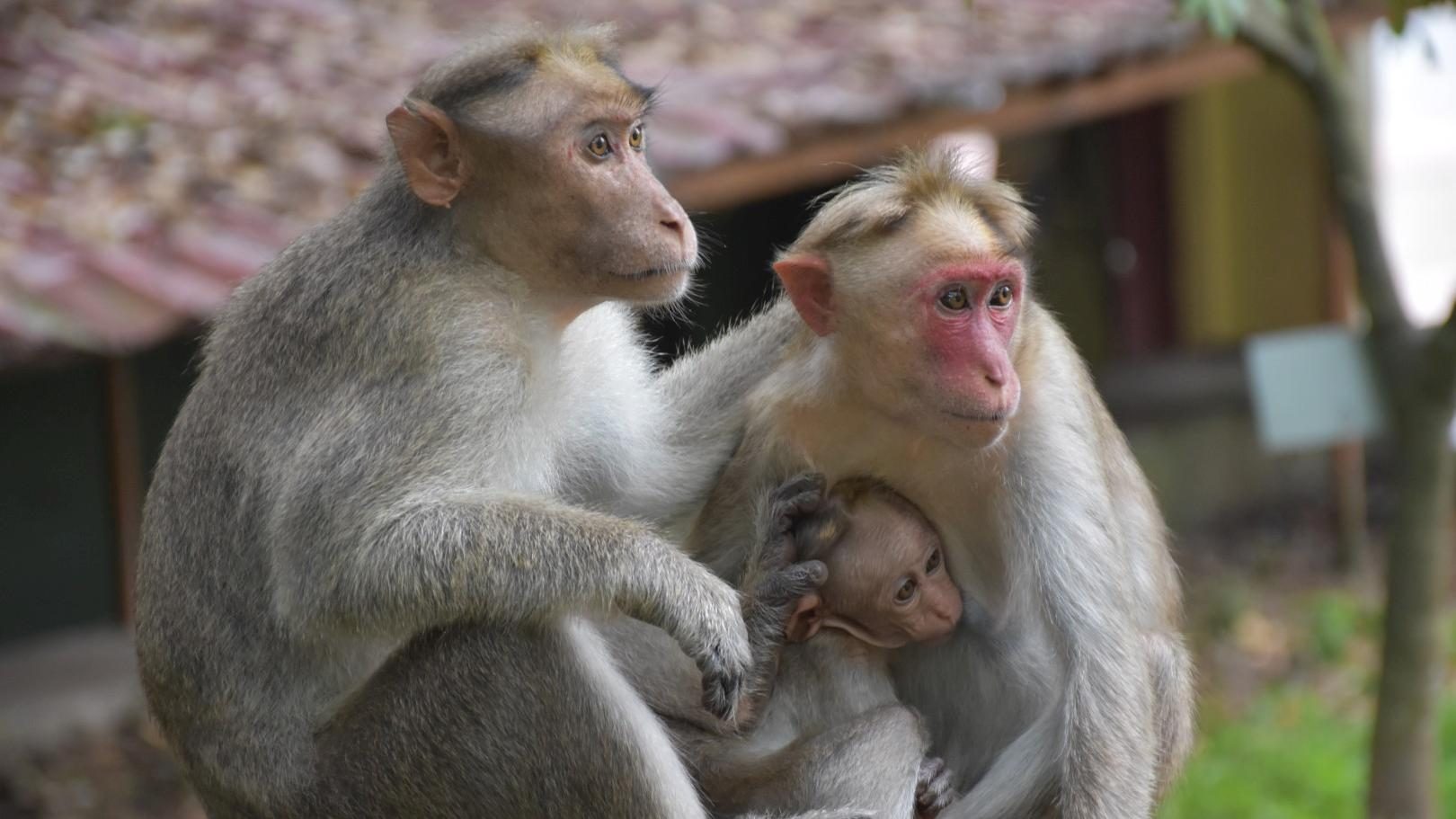
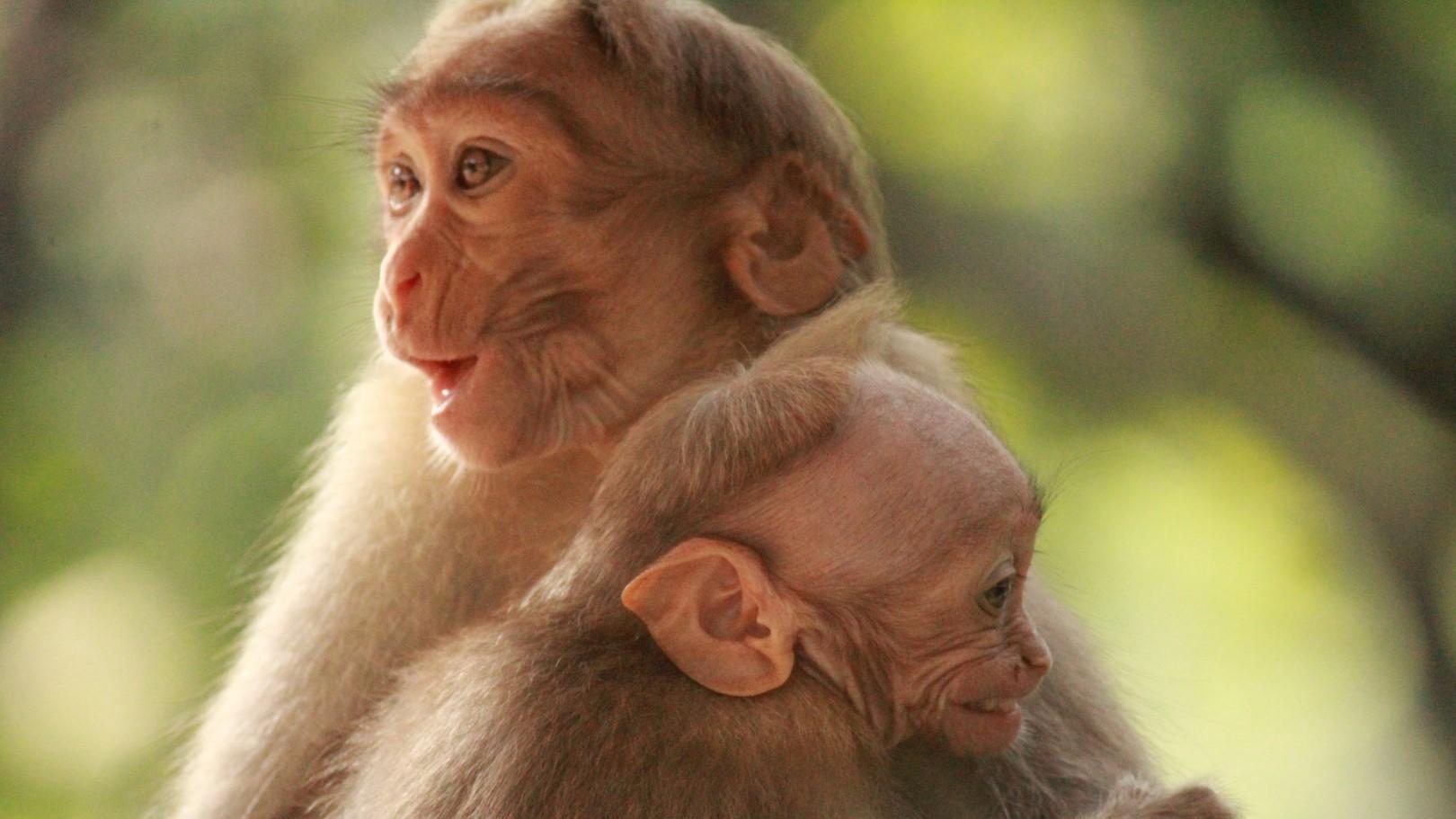
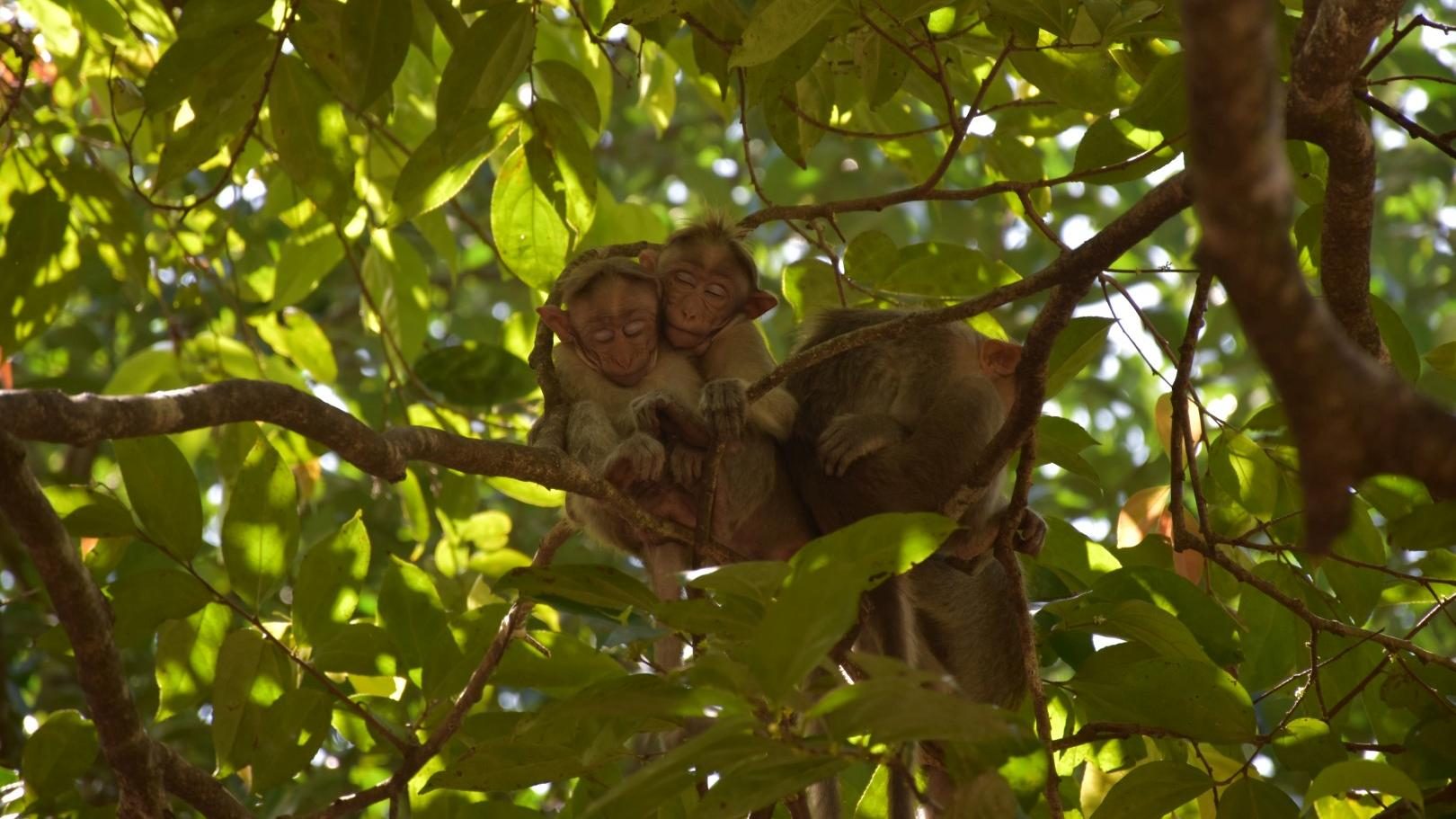
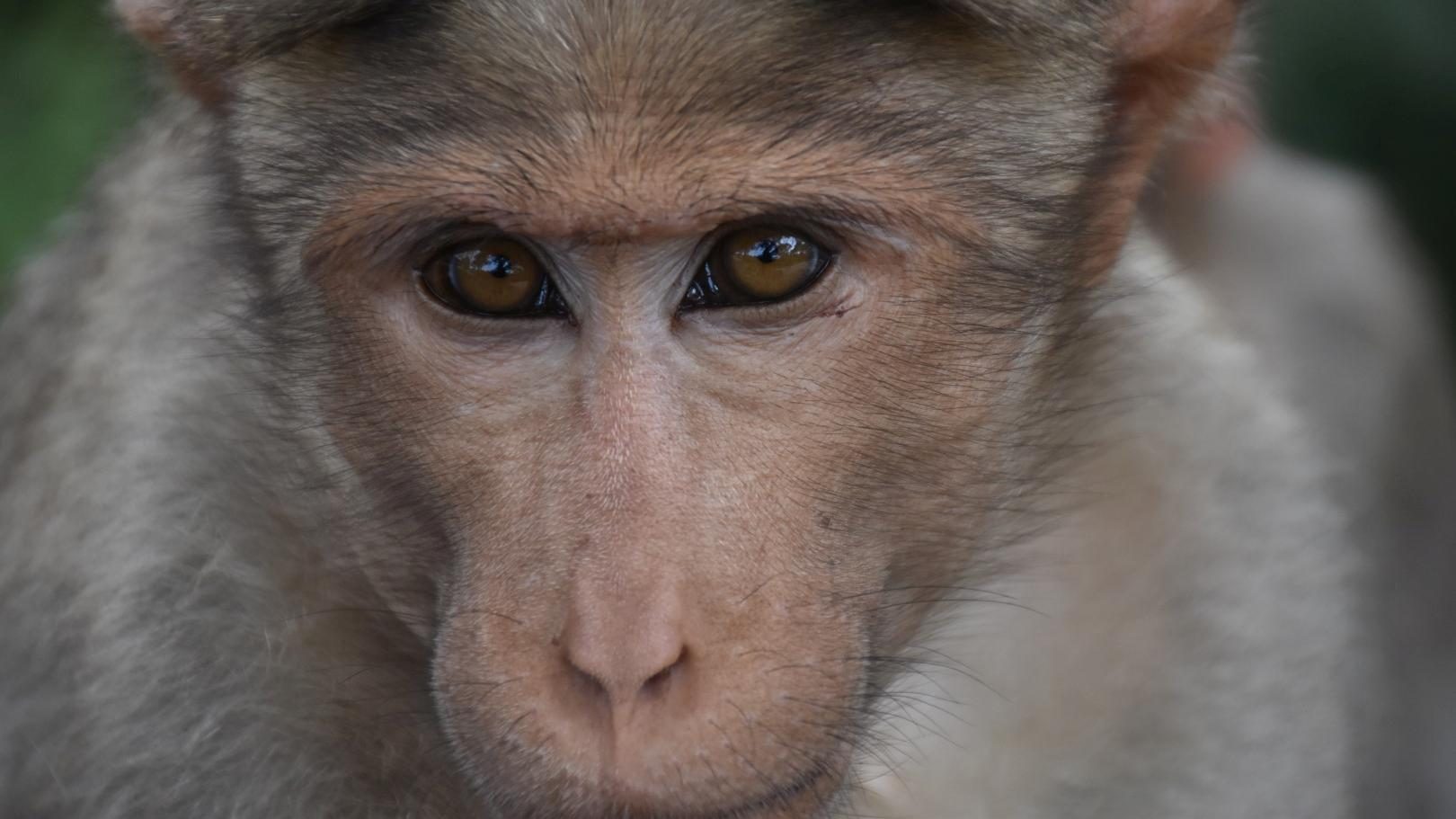
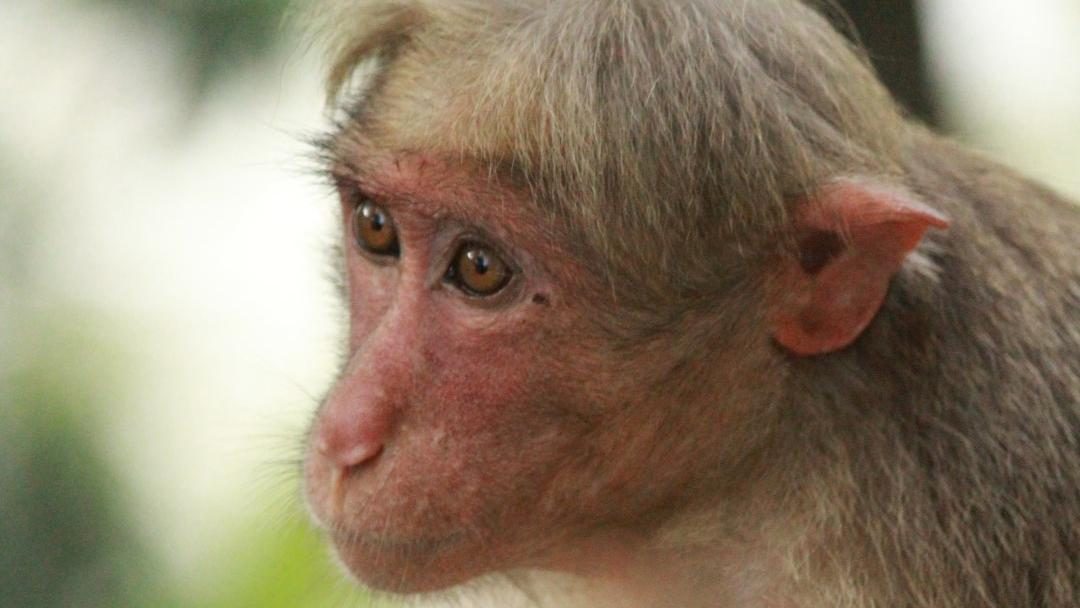
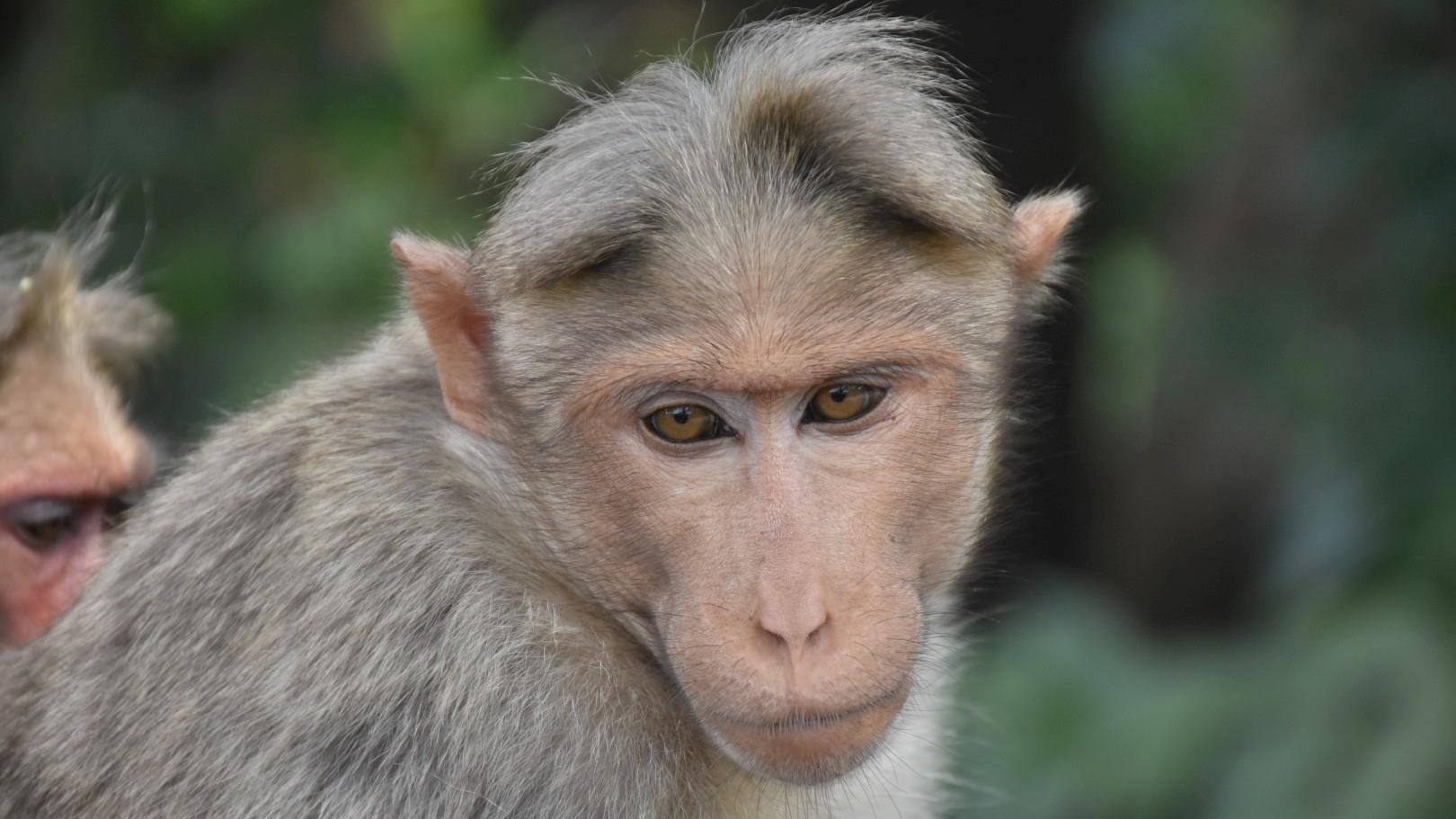
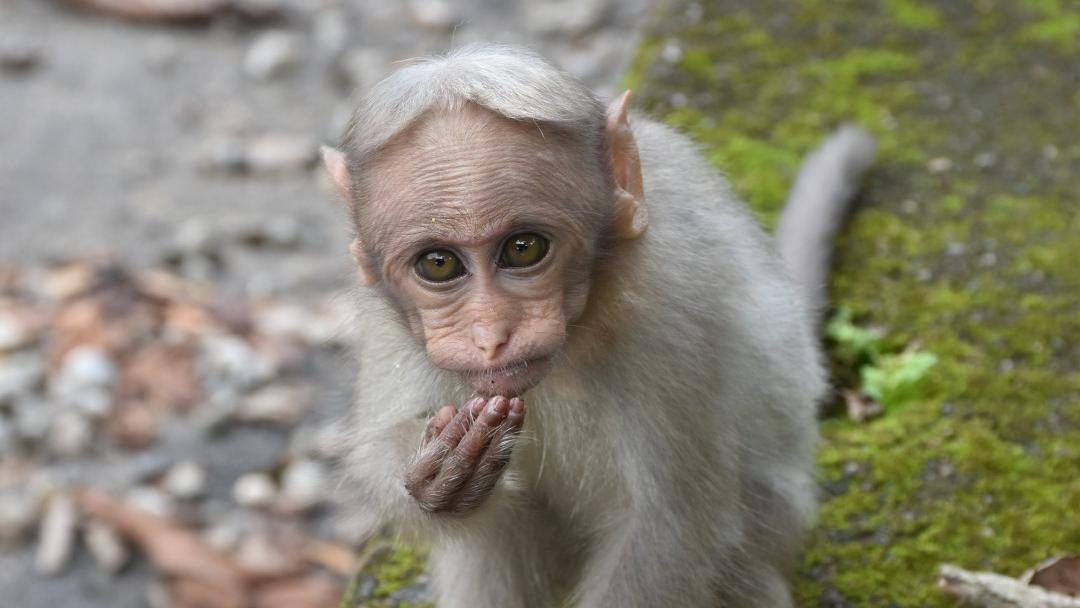
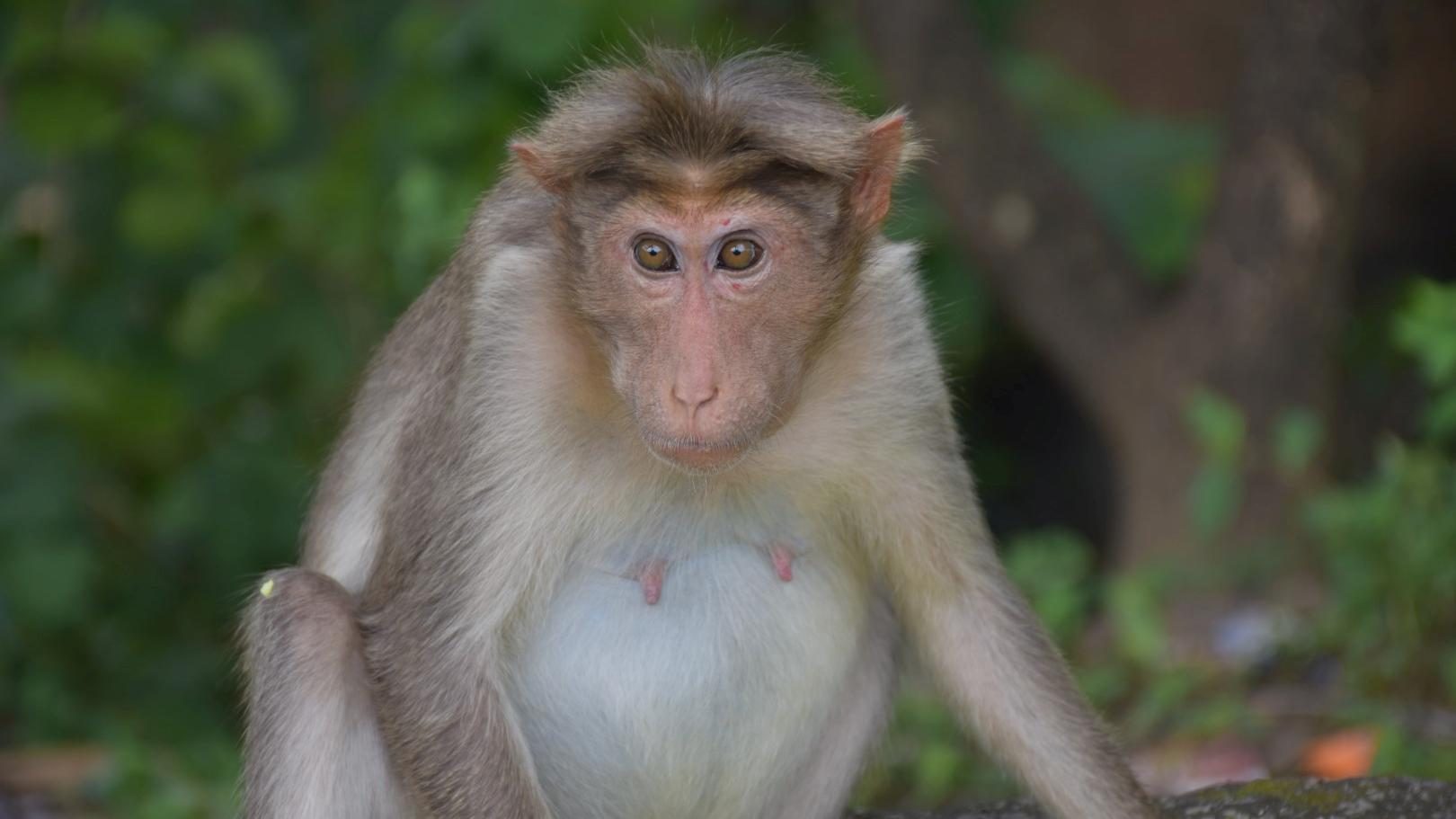
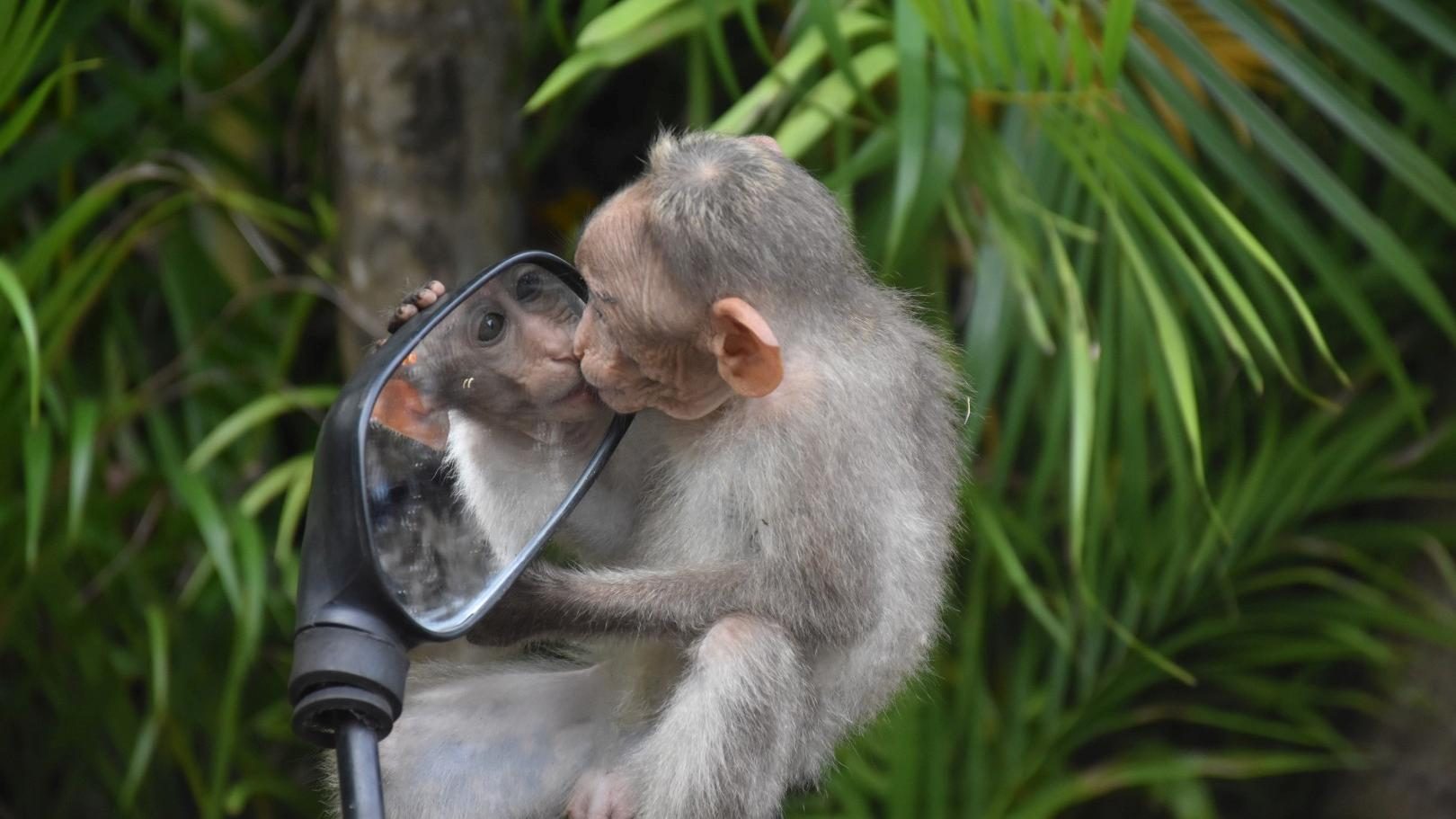
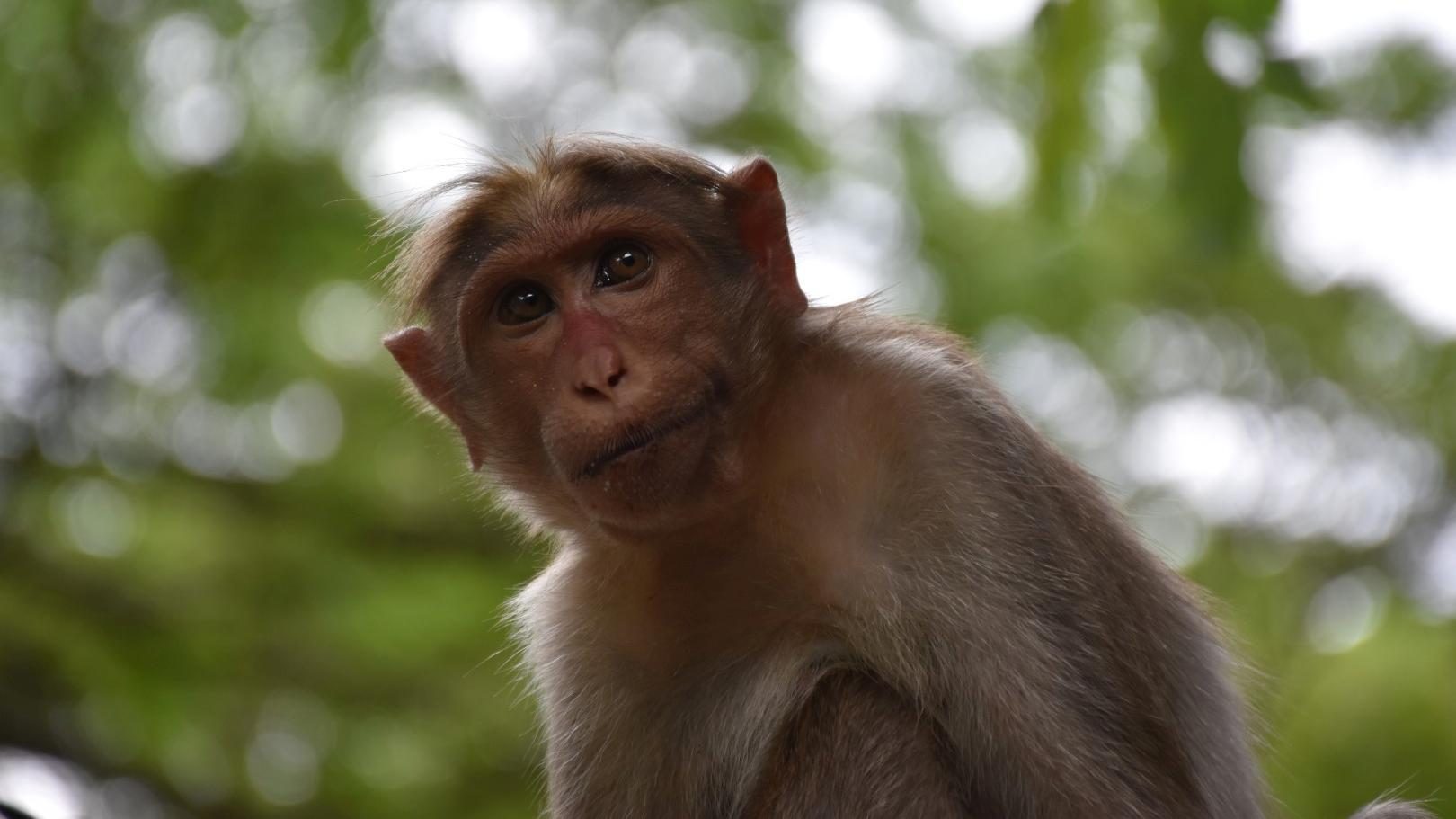
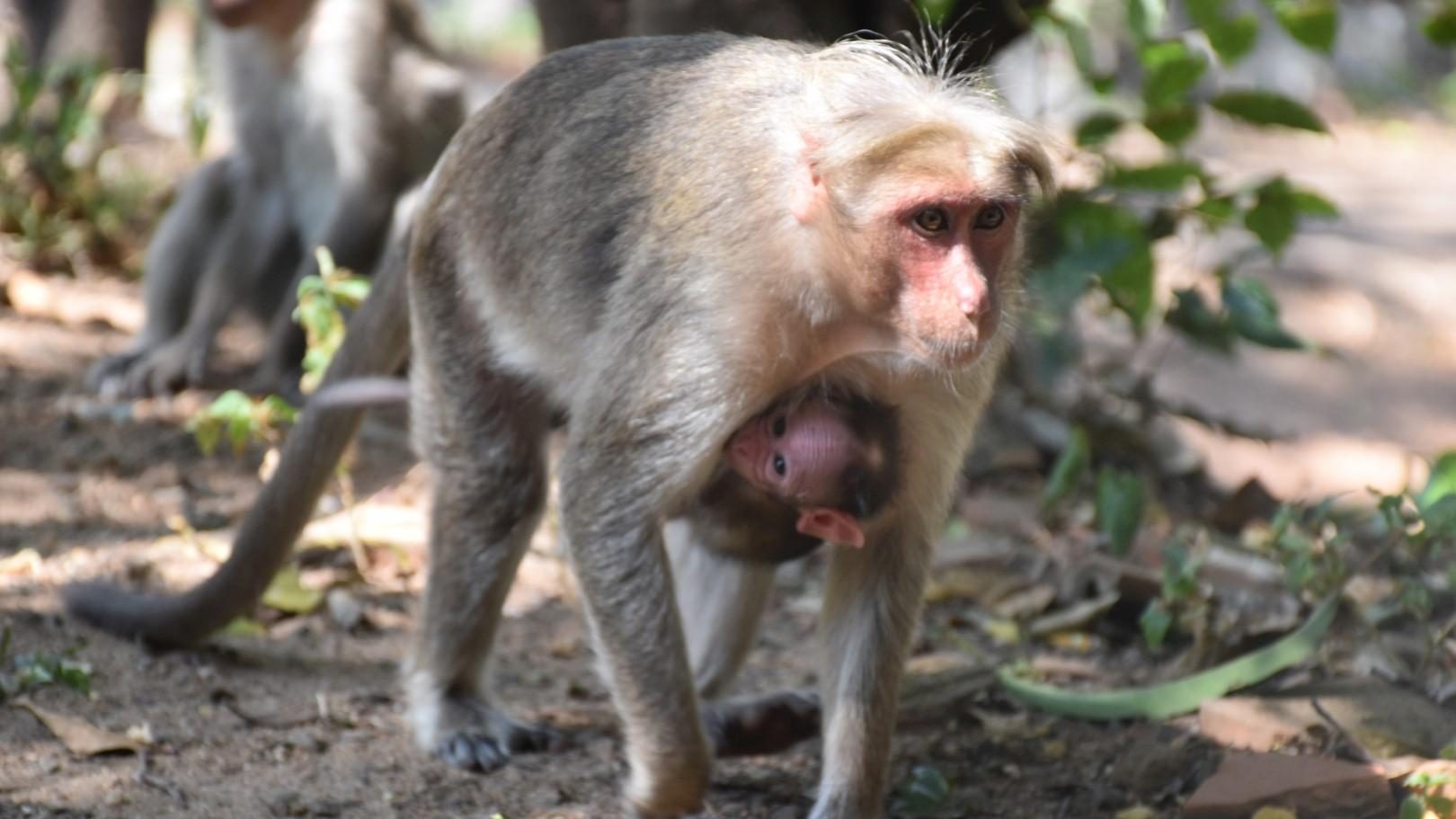
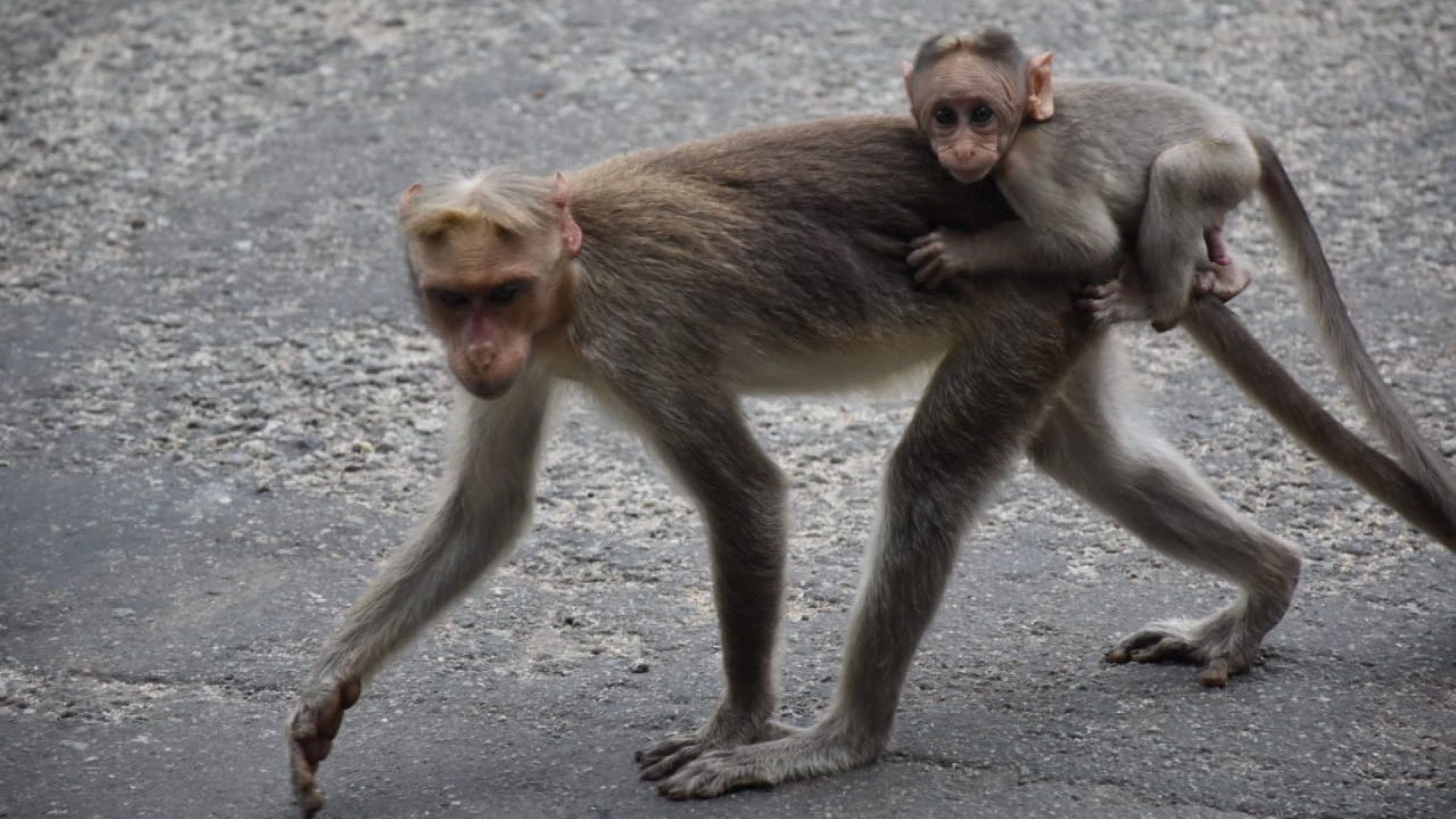
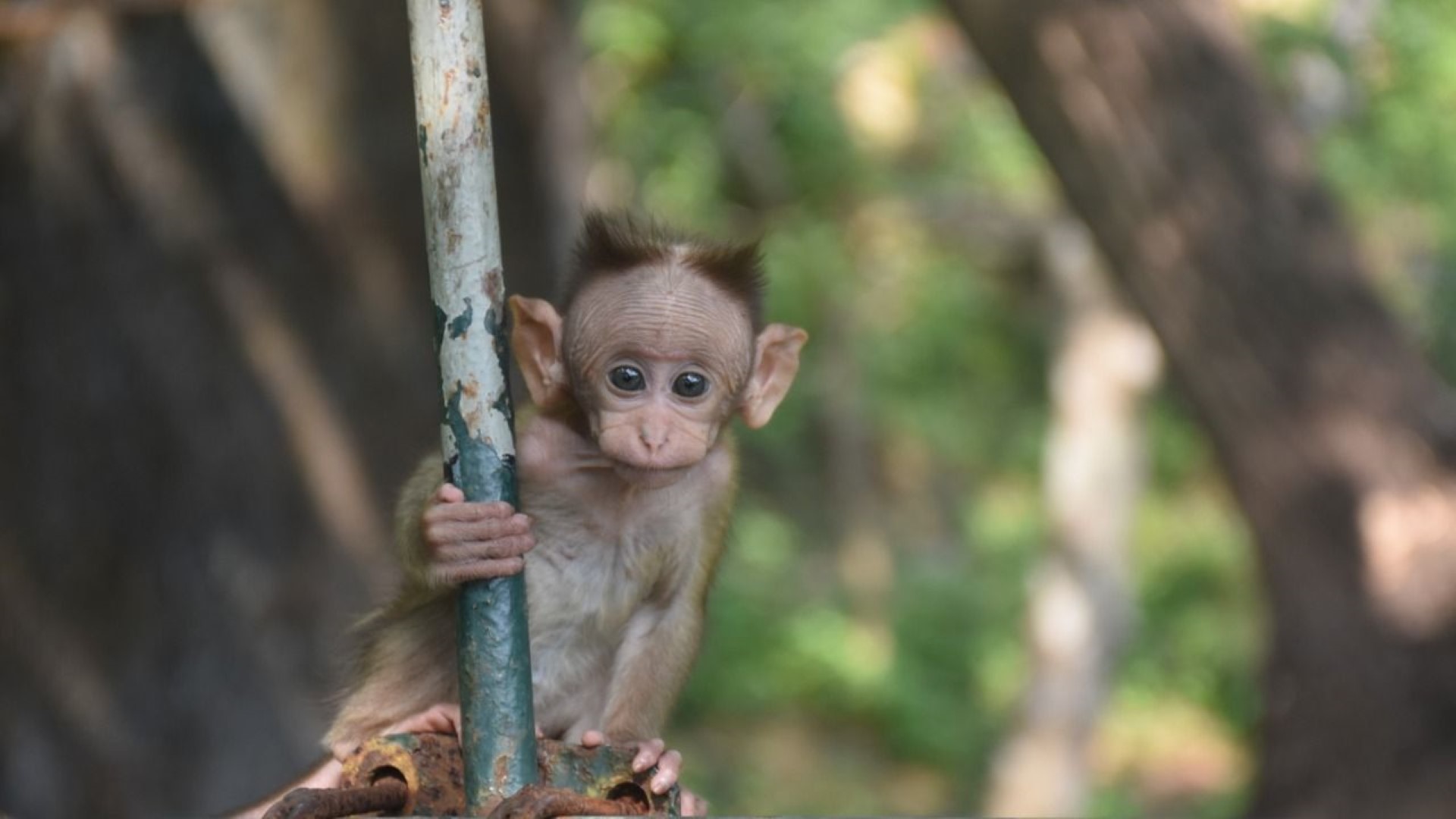
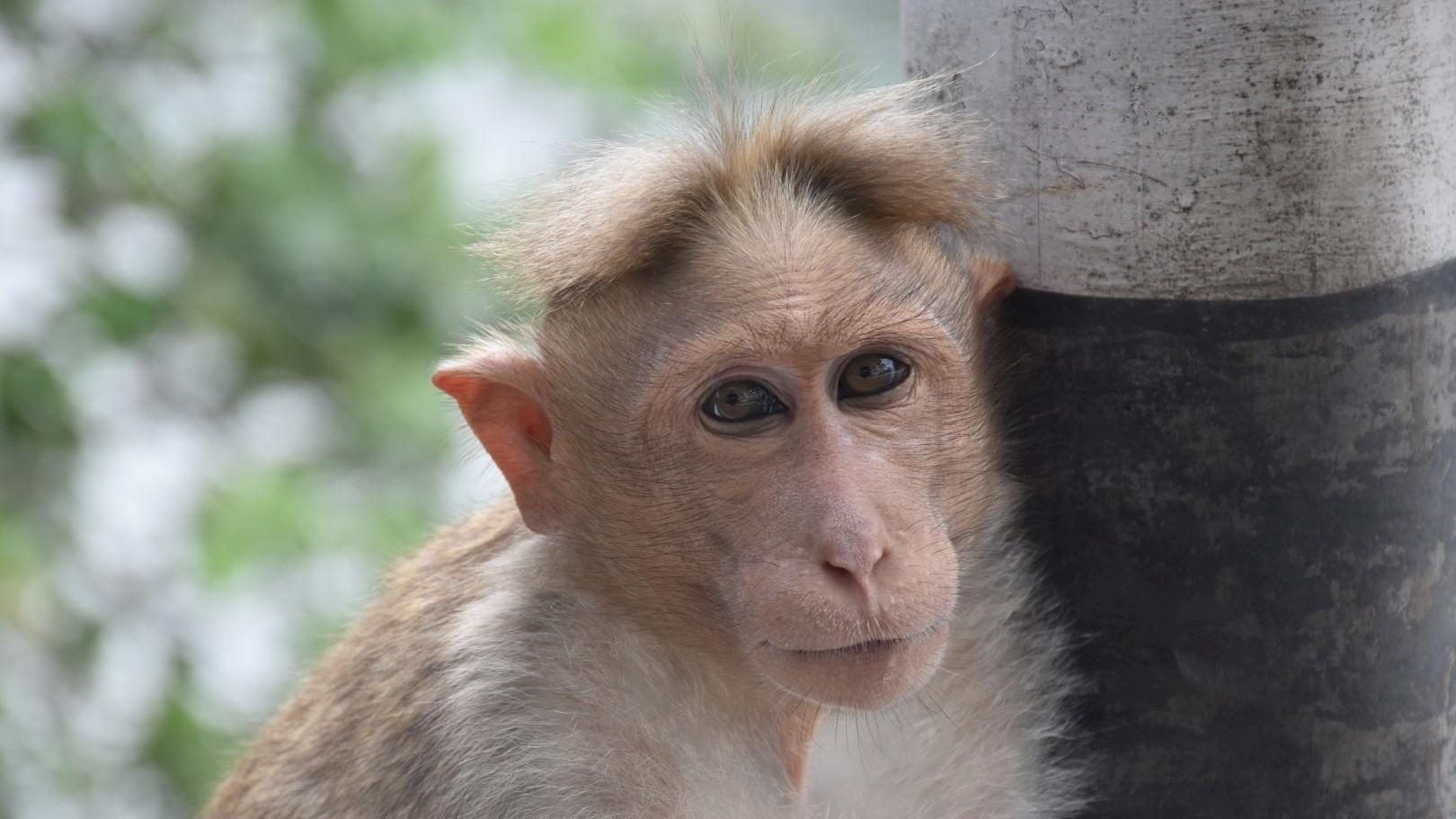
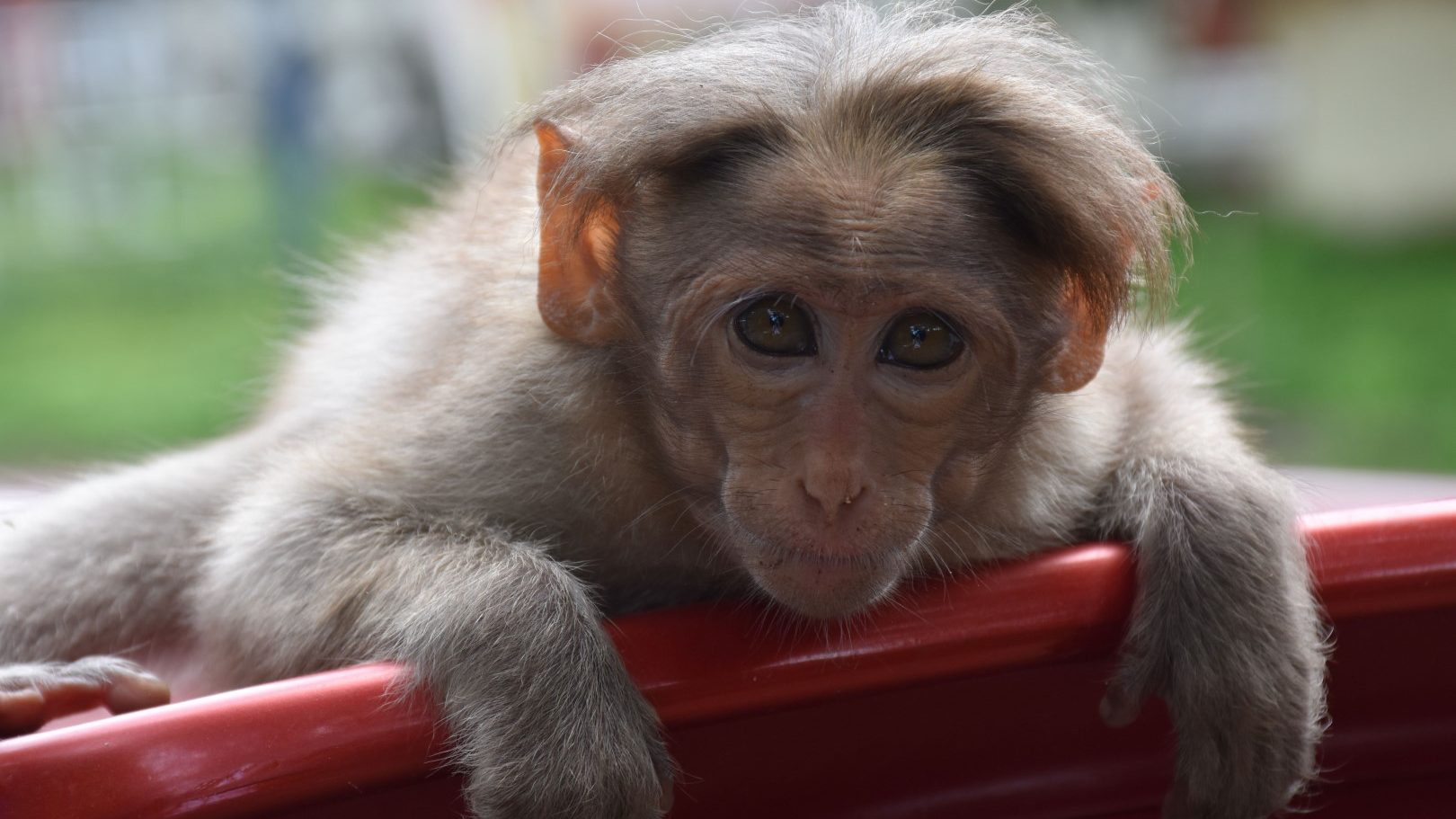
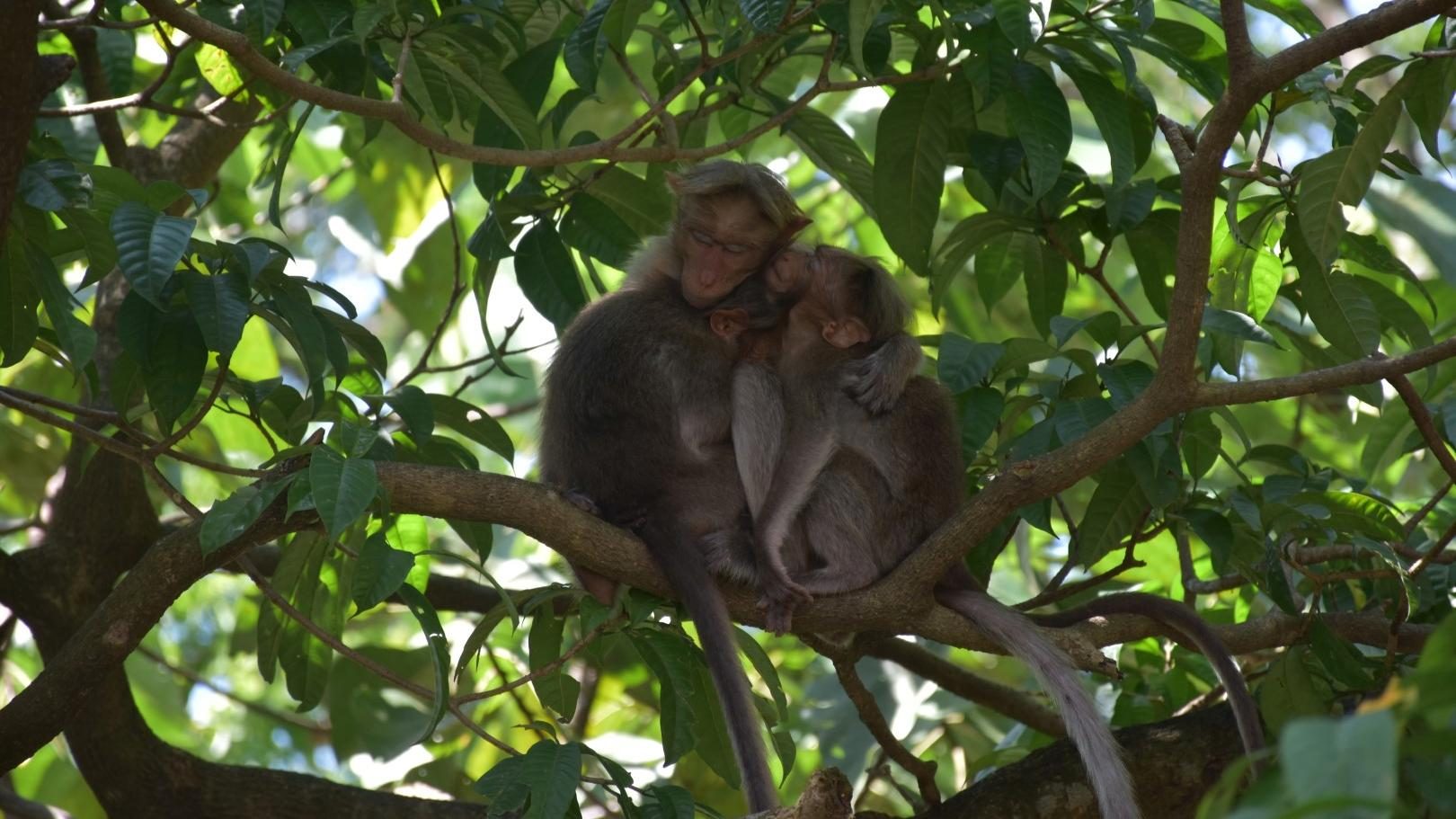
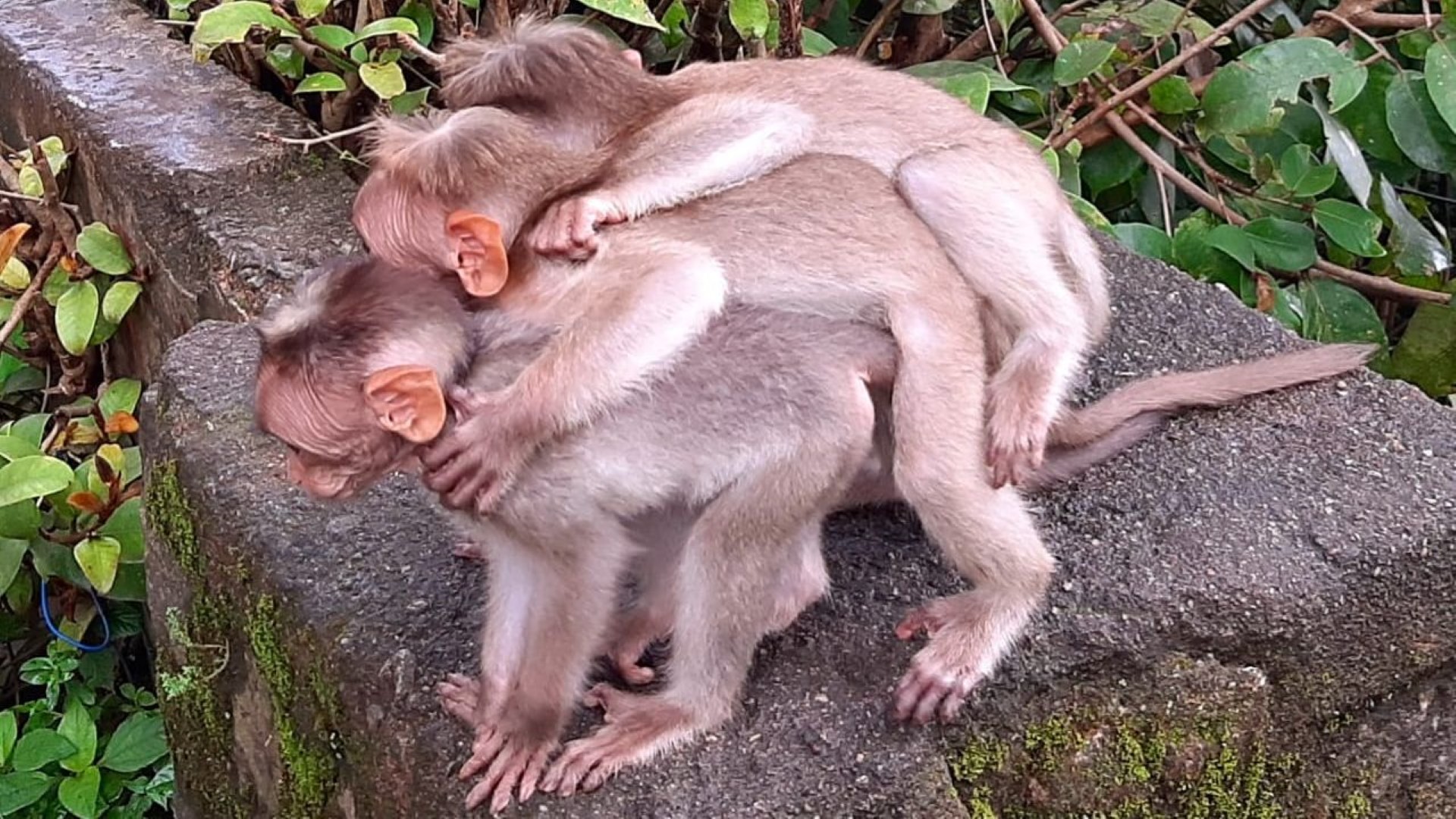
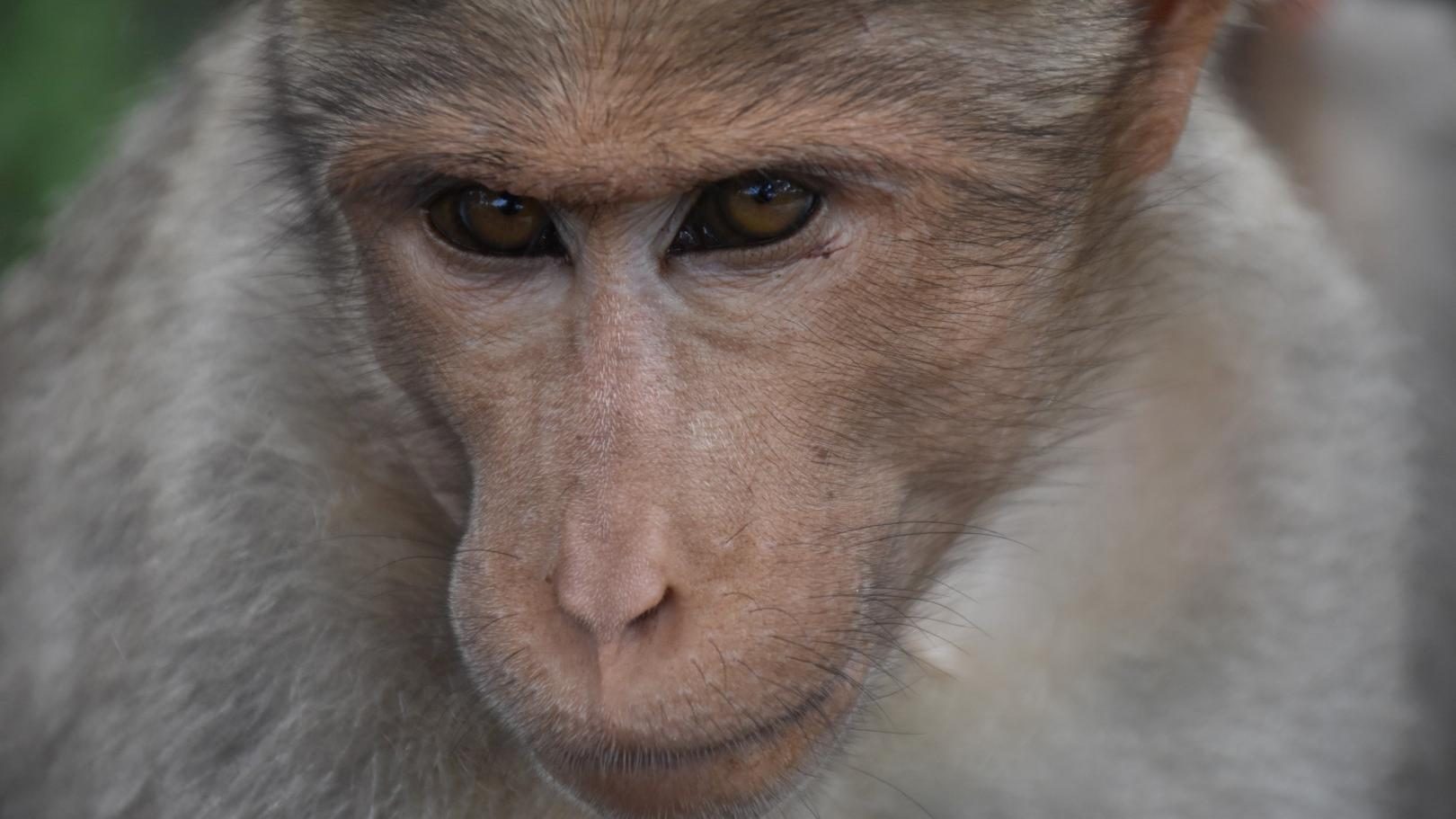
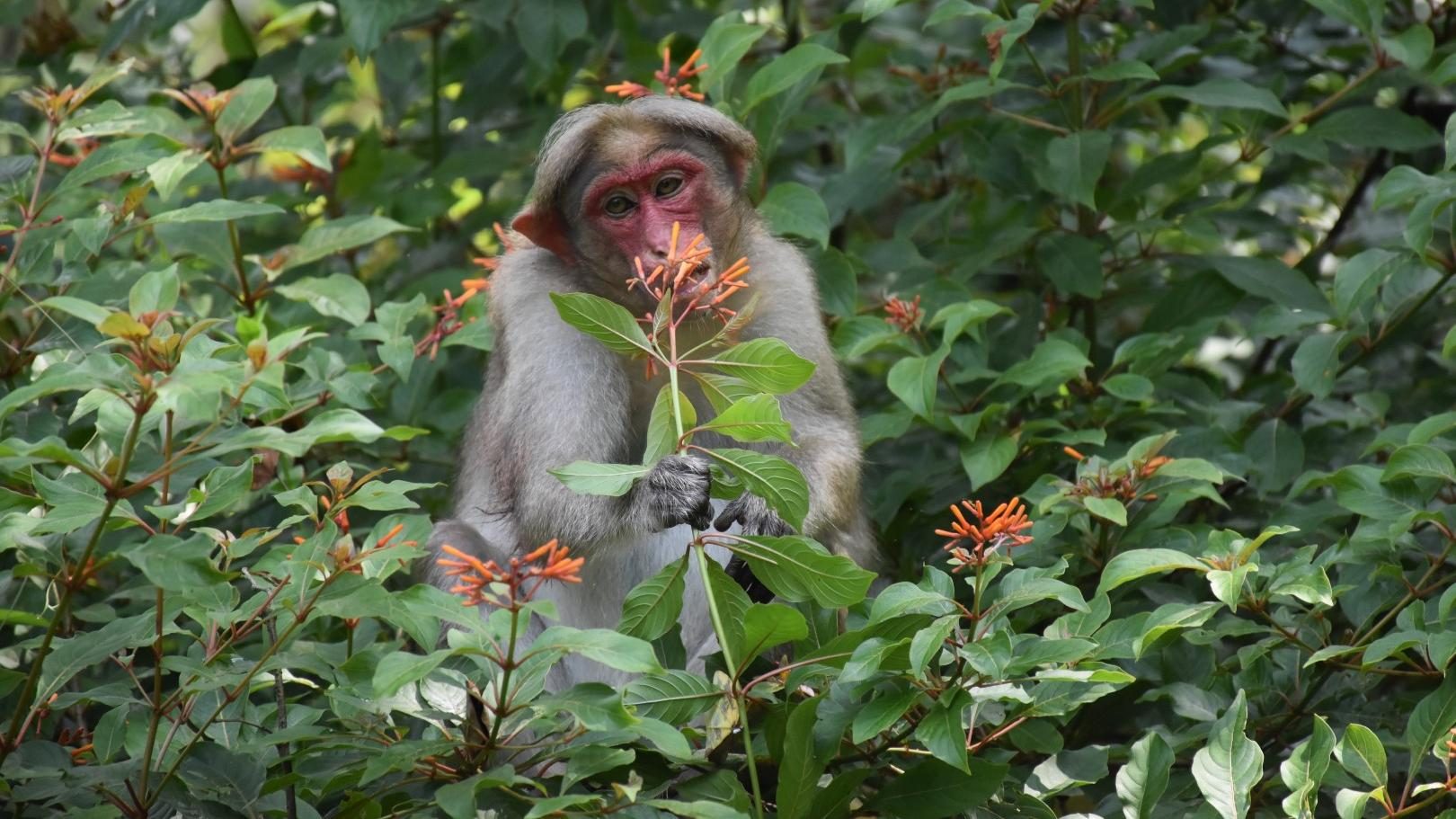
Juvenile female Braveunknown 2Male Frodo from Dam groupJuvenile female Brave resting on carunknown 1unknown 7Bonnet macaque infantFemale Amy from Eco groupSleeping malesMale Howard from Dam groupMale Frodo showing threat expressionInfantsInfant BernieSleeping adult males from Dam groupunknown 11unknown 16unknown 4Male Pirate grooming male Victorunknown 29Bonnet macaque infantsFemale Pinduli from Eco groupunknown 28unknown 14View on hanging bridgeunknown 17Female Spikey with infant in Eco groupJuveniles sleepingFemale Bella from Dam groupFemale Tess with infant Truffle from Dam groupunknown 27unknown 5Females from Dam group sleeting togetherunknown 18unknown 13unknown 21Male unknownMale Howard from Dam groupFemale Kim with infant Kaya and juvenileJuvenile from Eco groupunknown 3unknown 10Females in Dam groupFemale Fanny grooming juvenileunknown 25Subadult male InoFemale Kim with newborn infant Kayaunknown 6Female Ashoka from Dam groupunknown 24Funny Nose with infant from Dam groupunknown 12unknown 8Female Funny Nose with infant in Dam groupSubadult female Merlin in Dam groupunknown 15unknown 26unknown 22Female Scarlet feeding on flowersunknown 23unknown 19unknown 20Infant from Eco on motorbikeunknown 9Infant Bernie

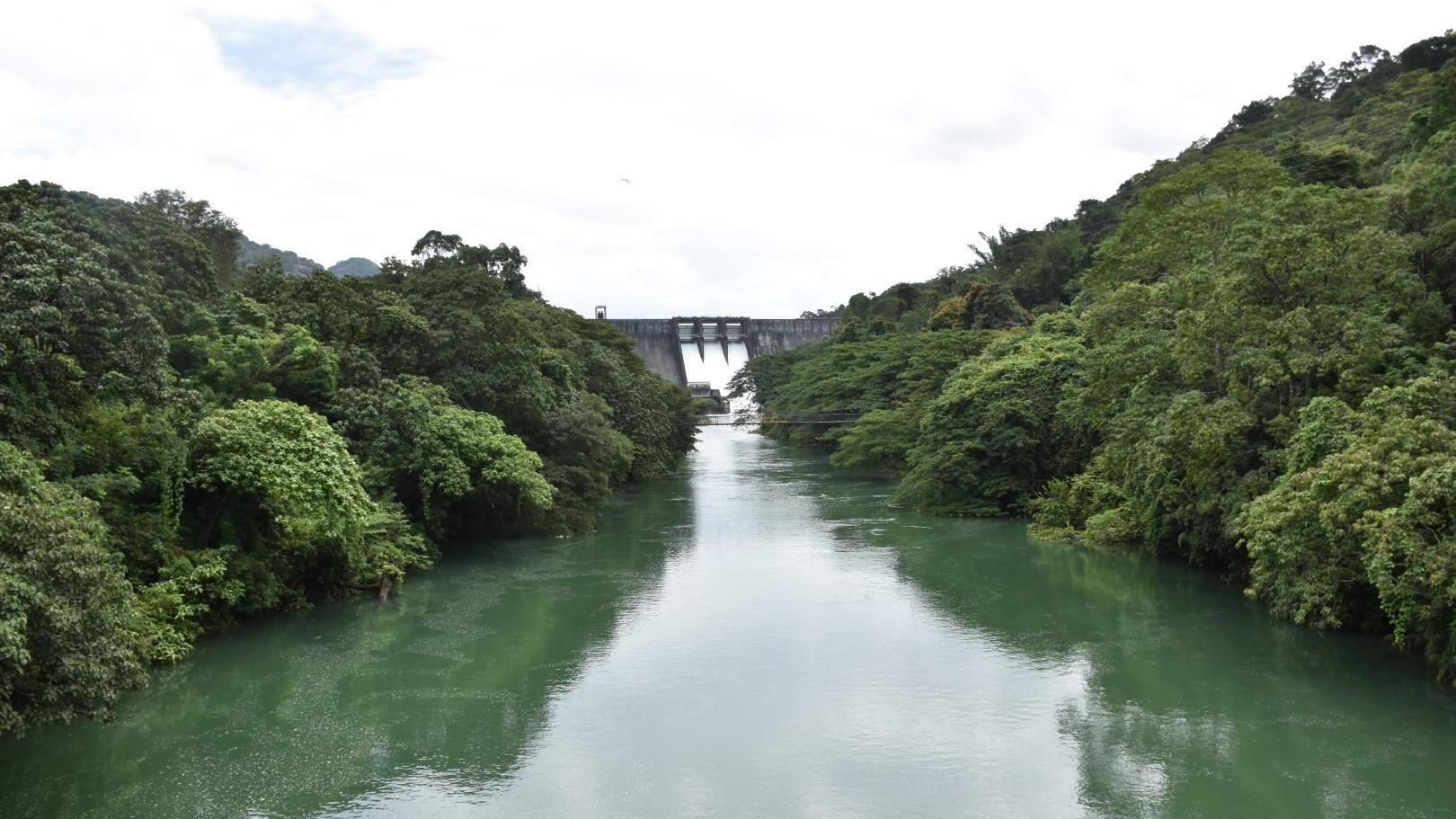
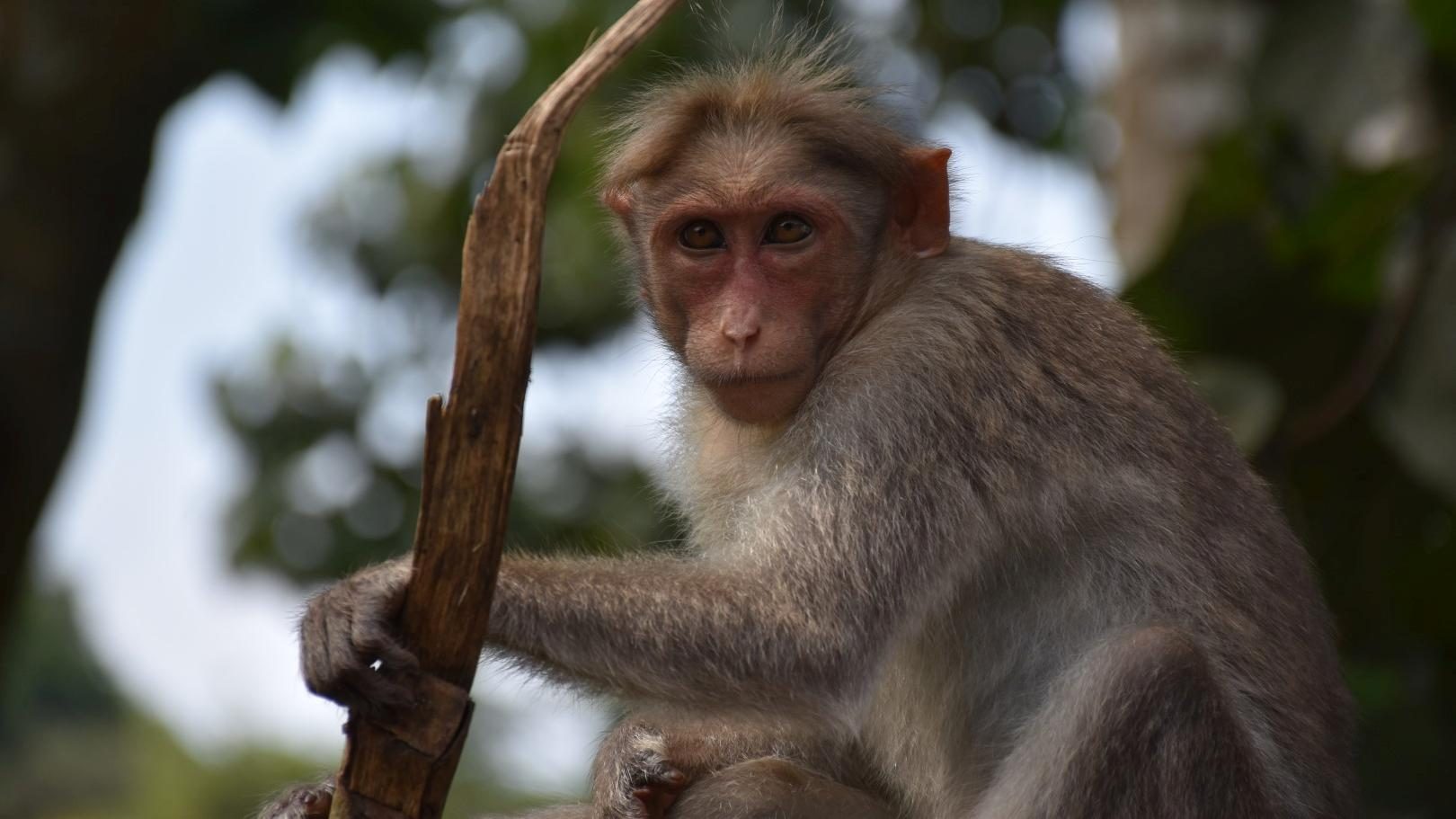
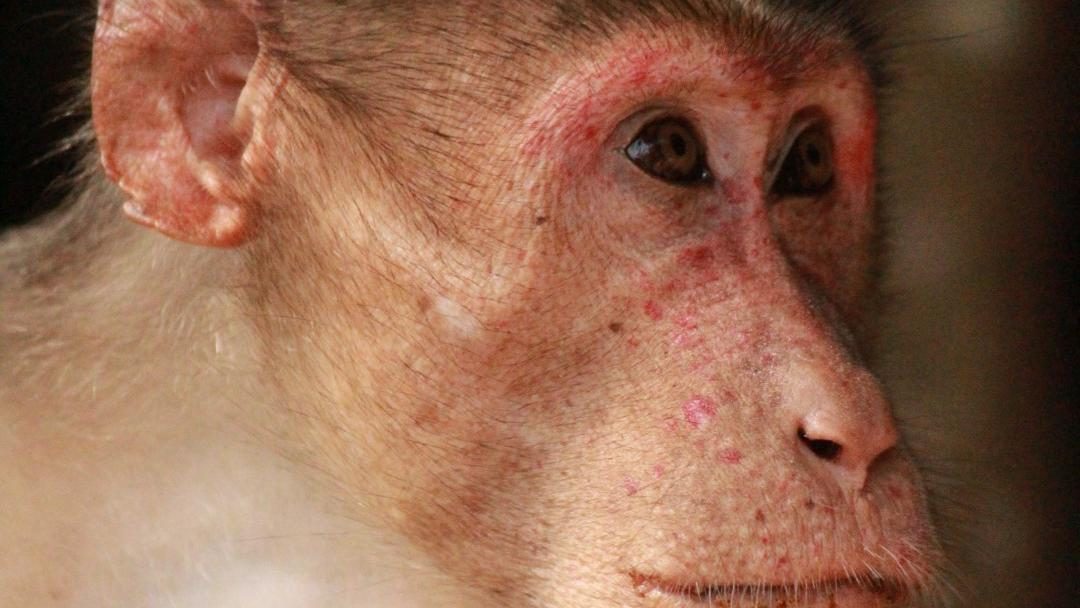
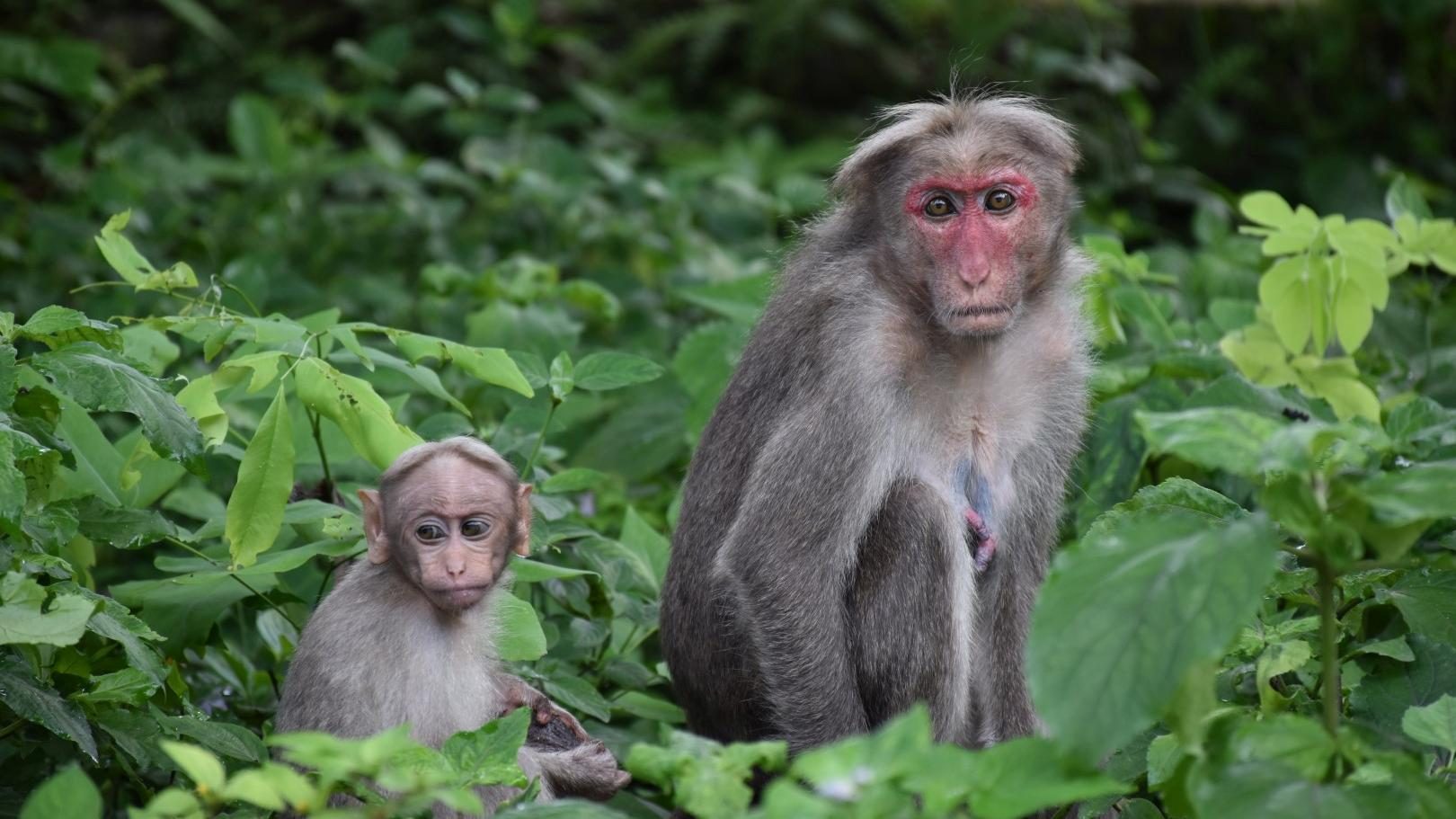
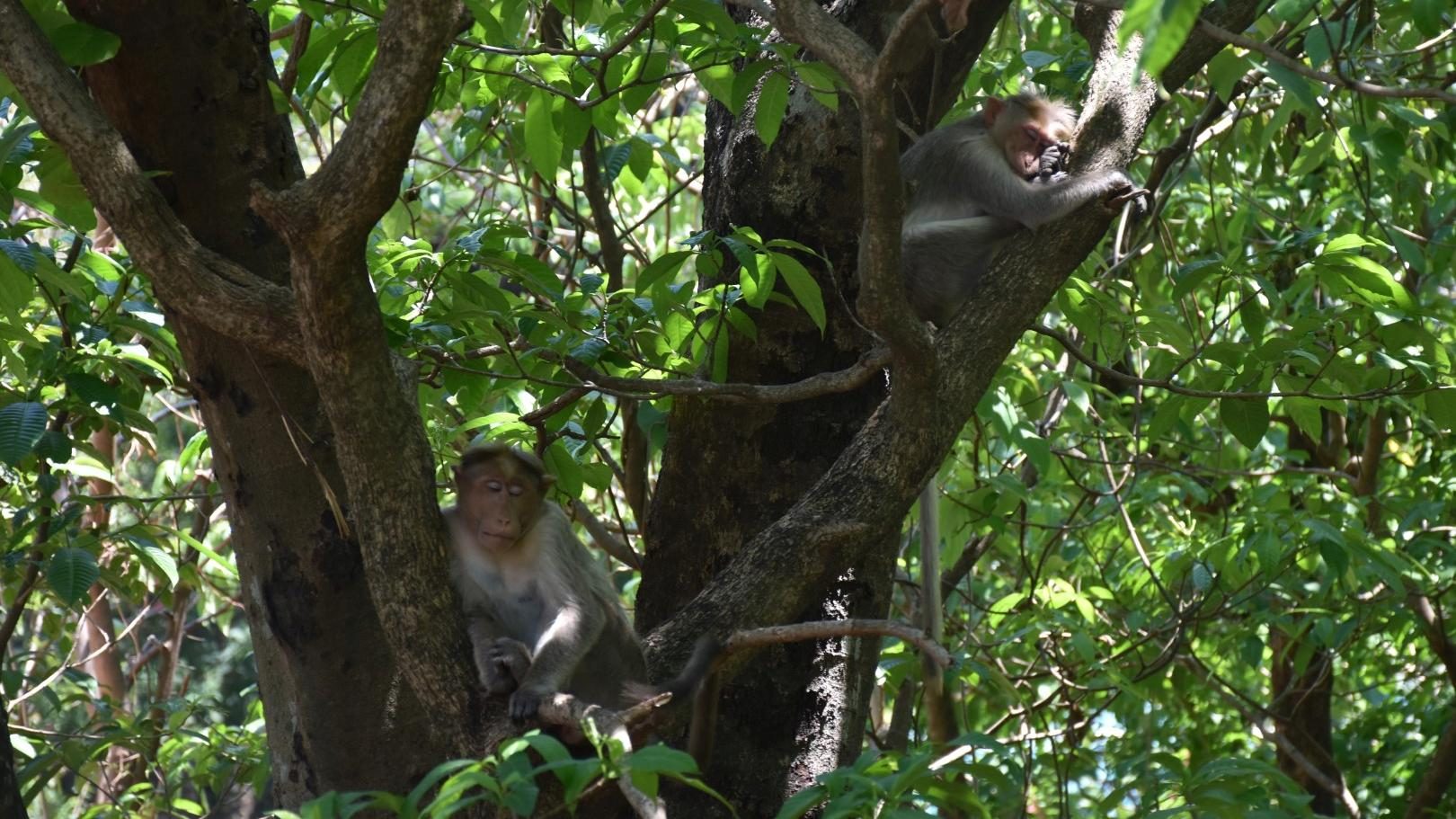
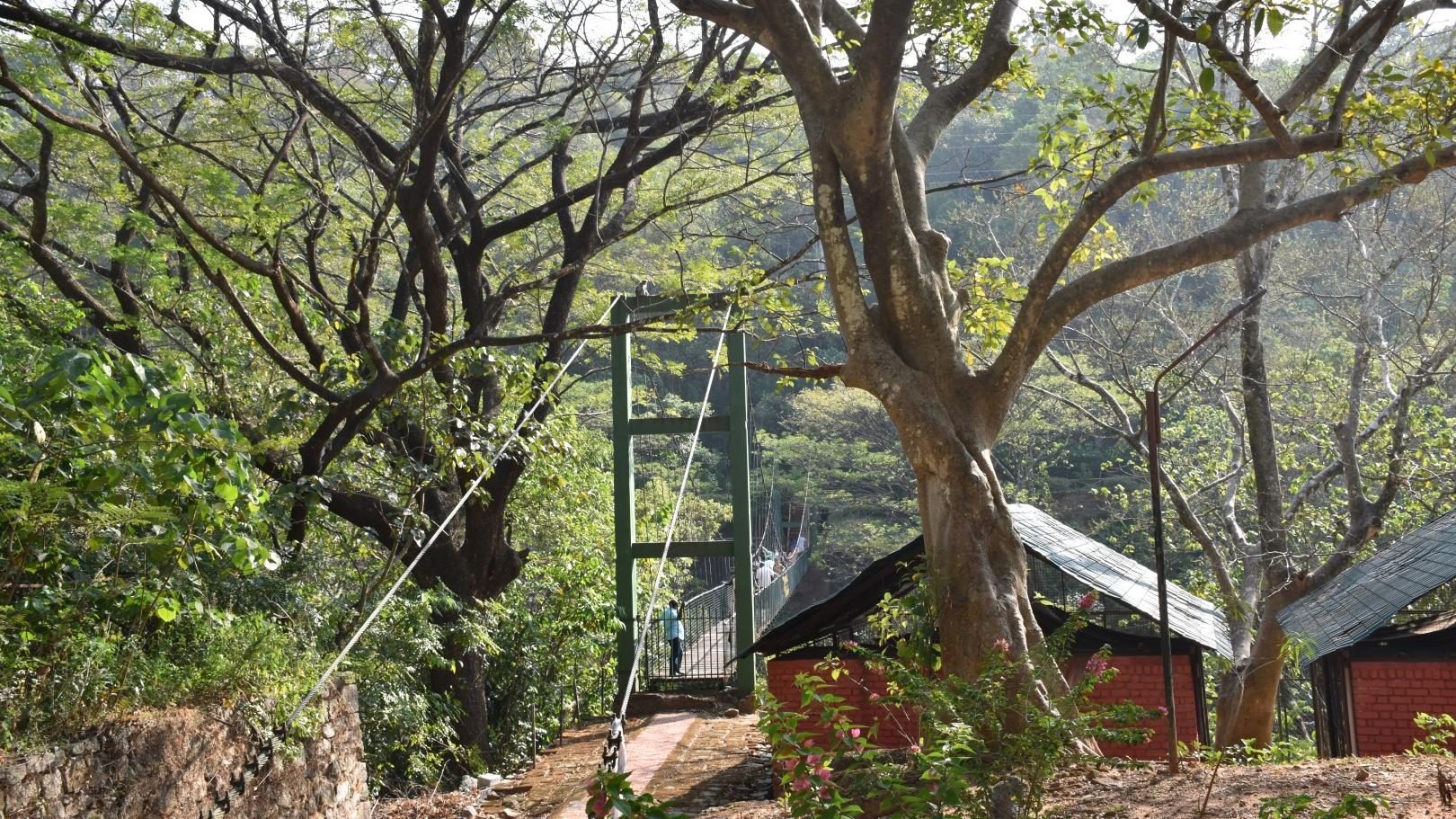
The Thenmala Macaque Project is situated around the Thenmala Dam, in the state of Kerala, India. 

This location is considered an eco-tourism site and consists of three small villages, a number of eateries, and small shops. The field site also encompasses two offices – the District Forest Department and the Eco Tourism office. 

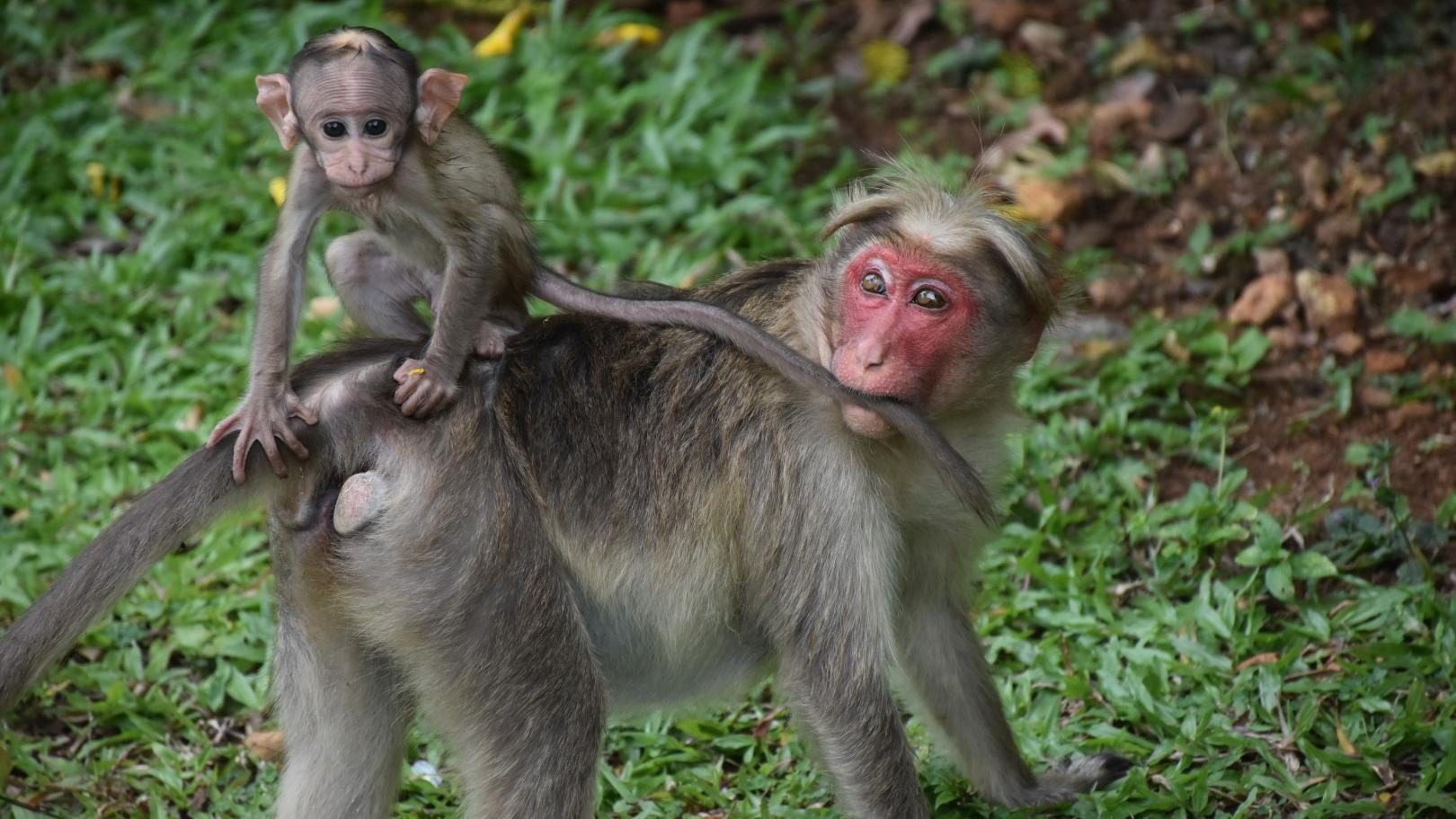
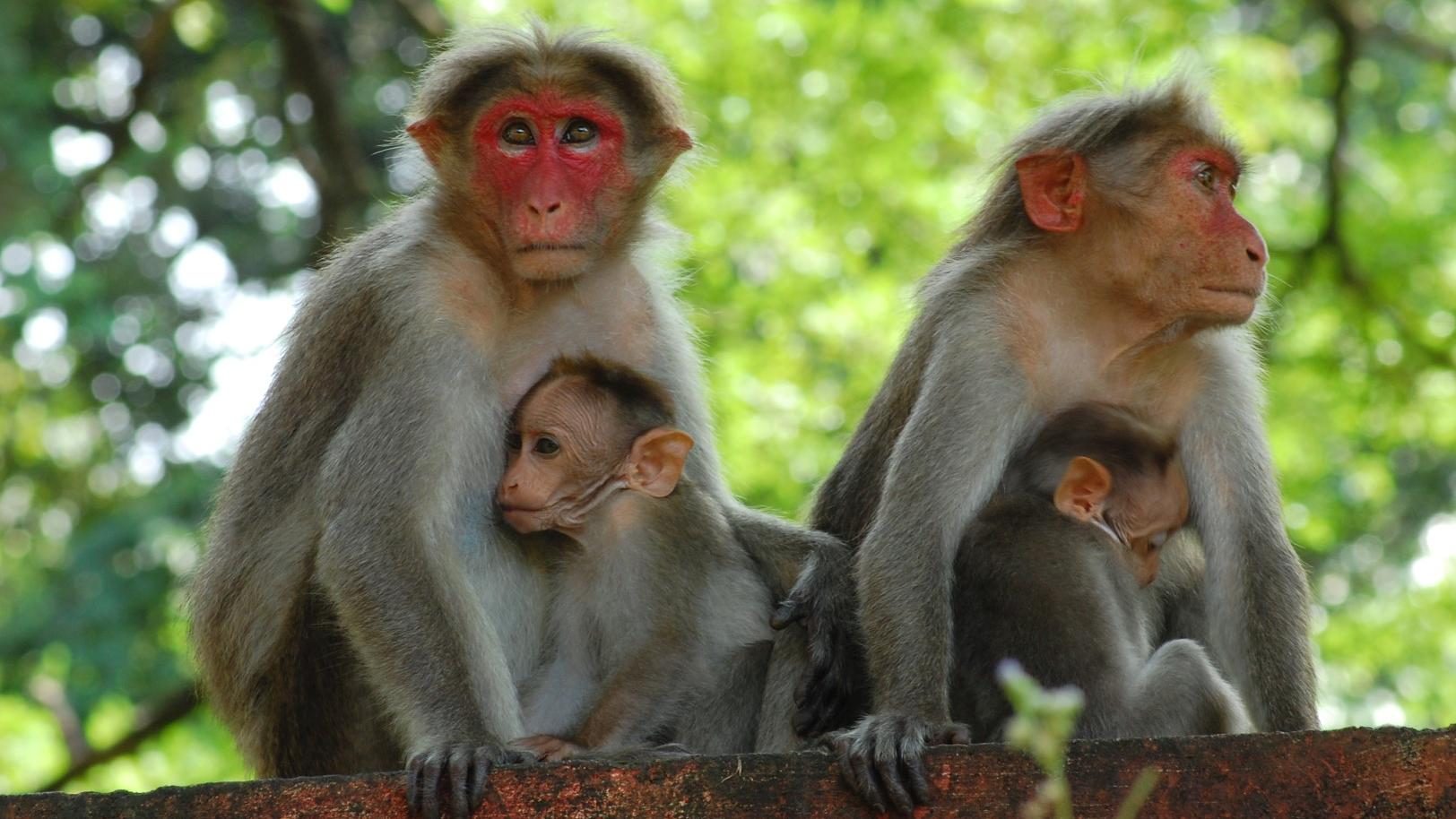
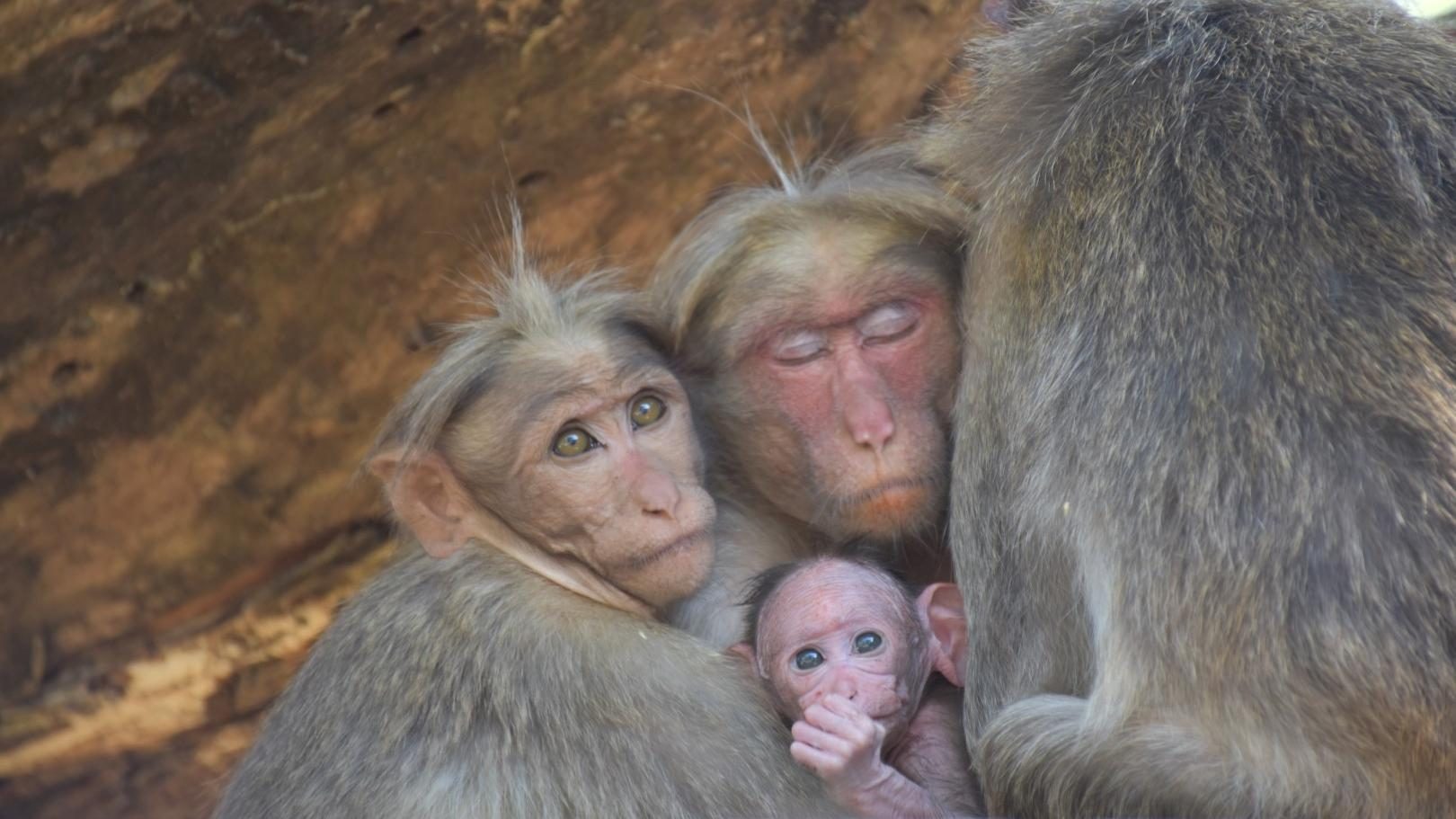
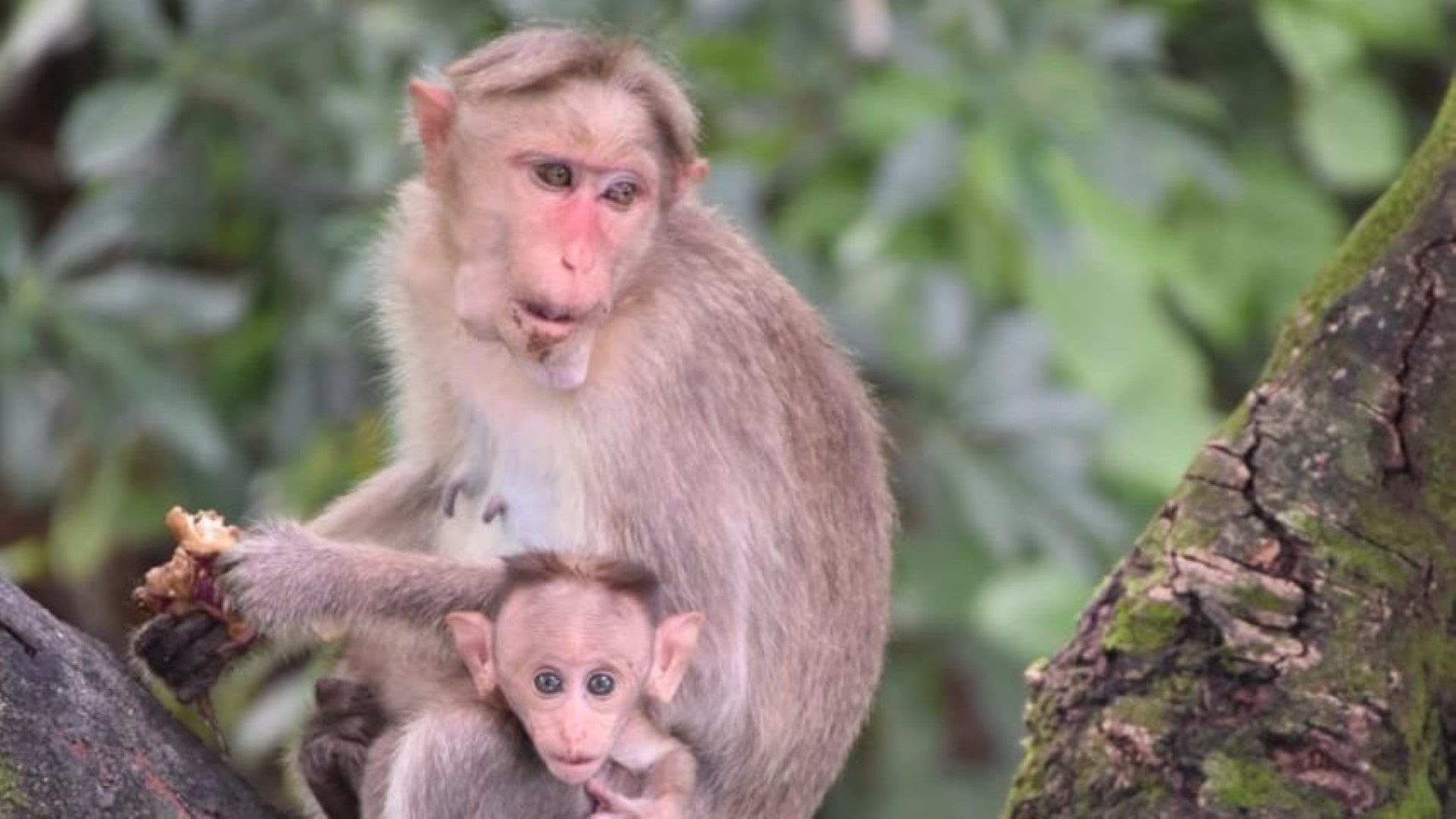
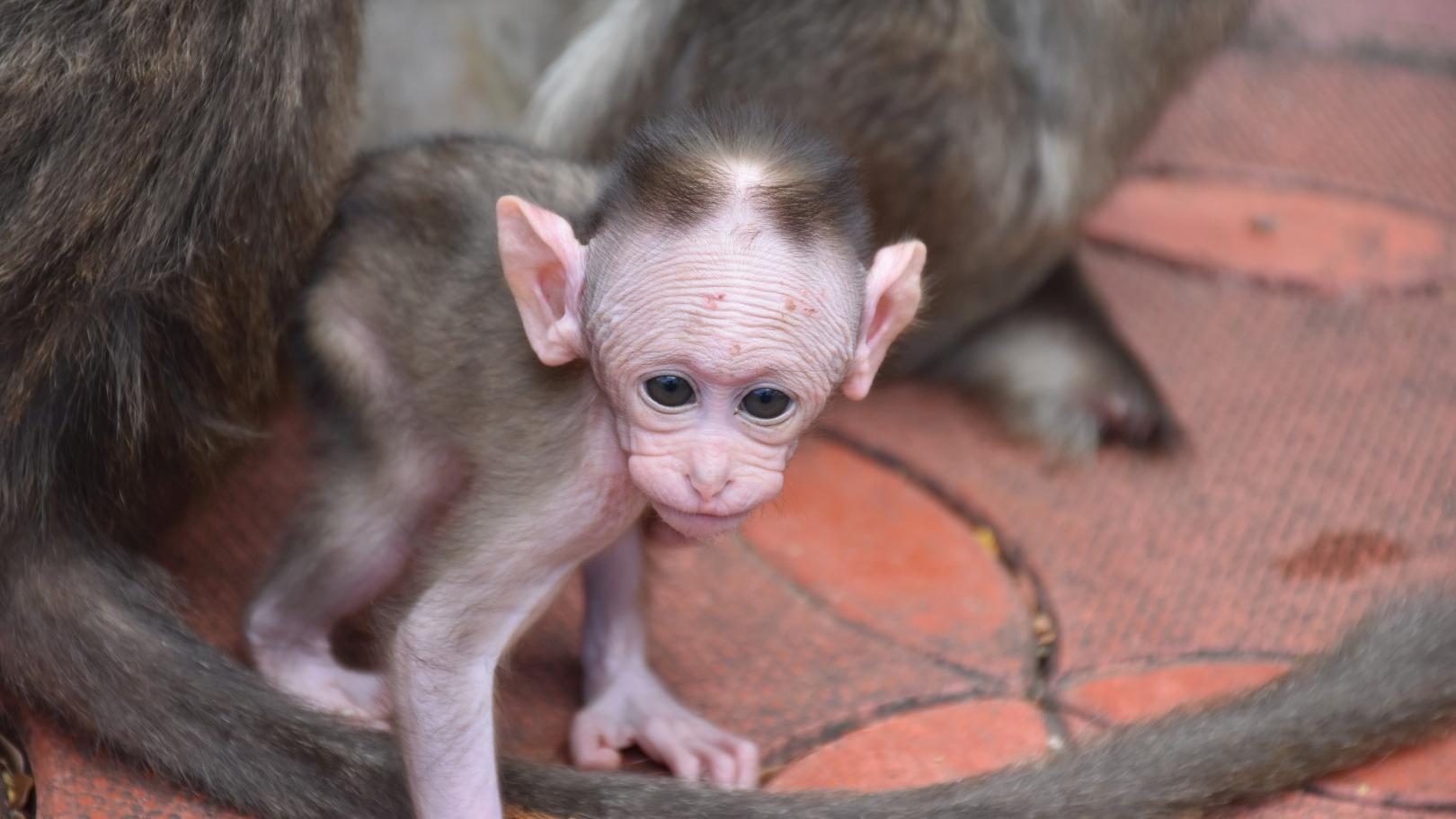
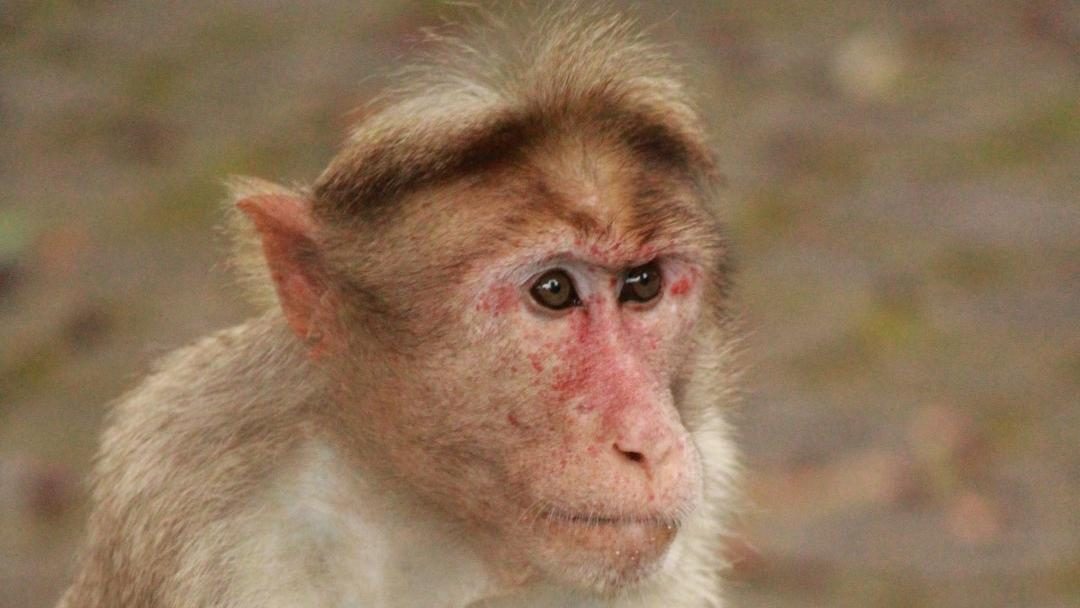
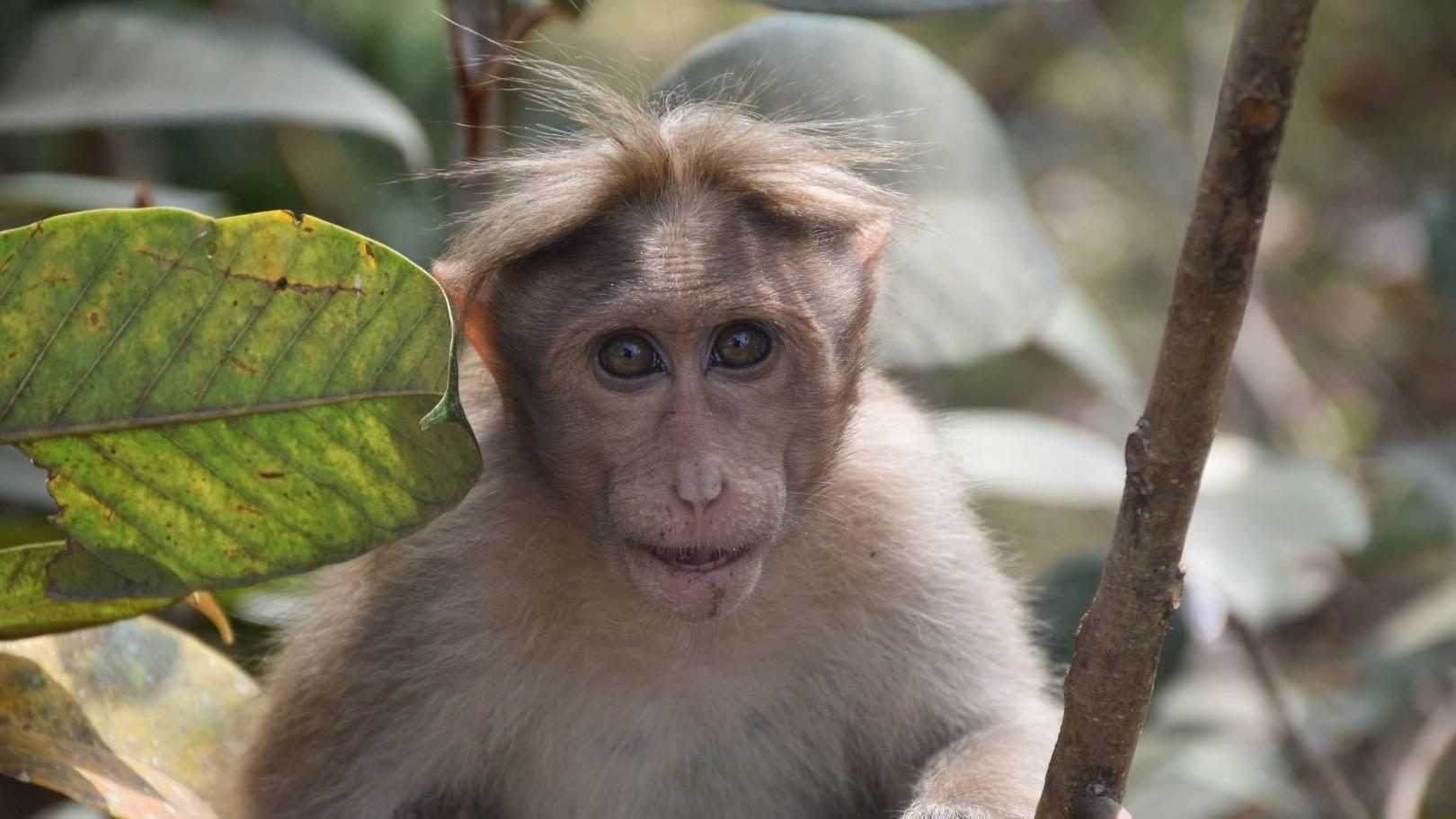
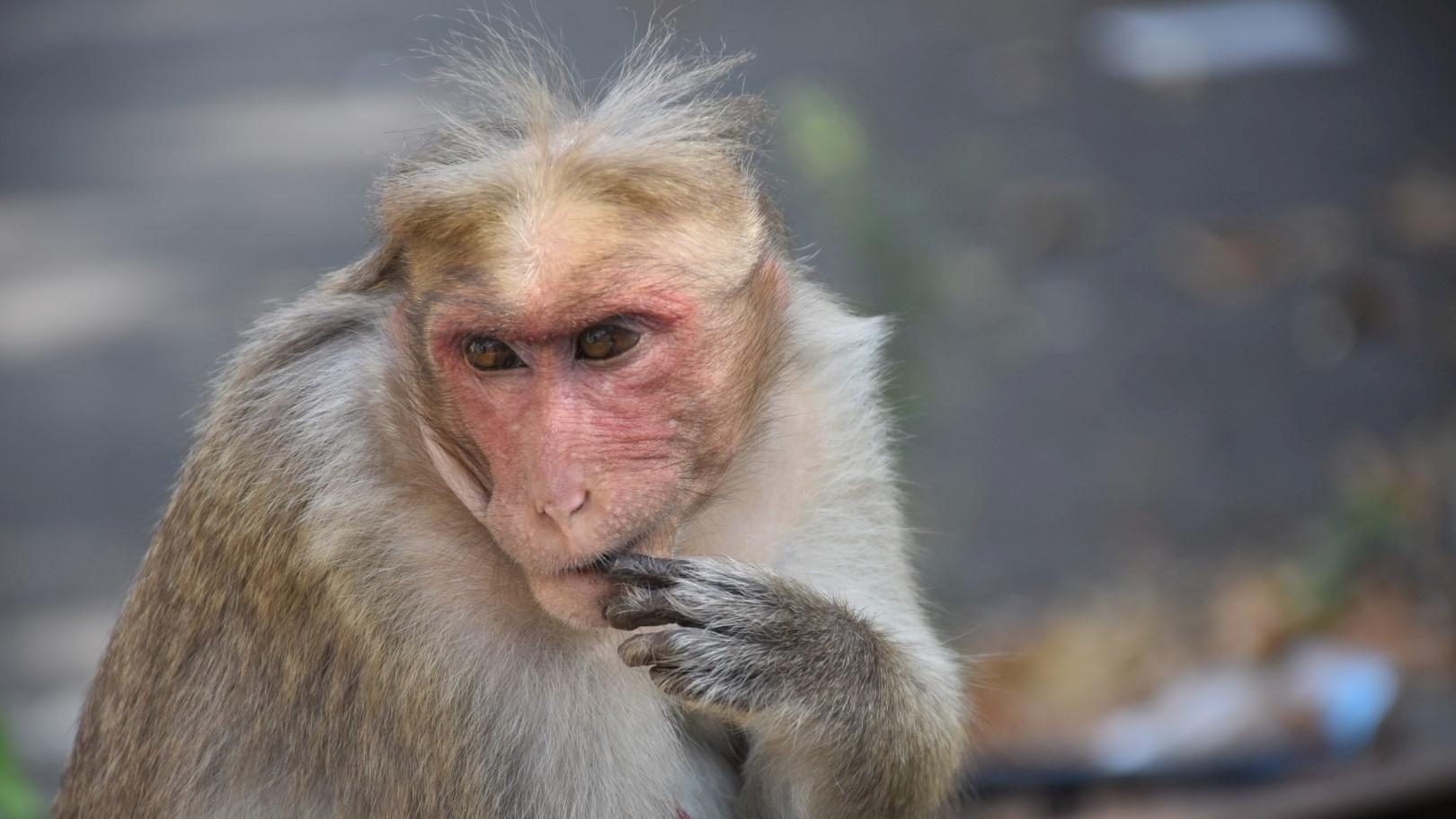
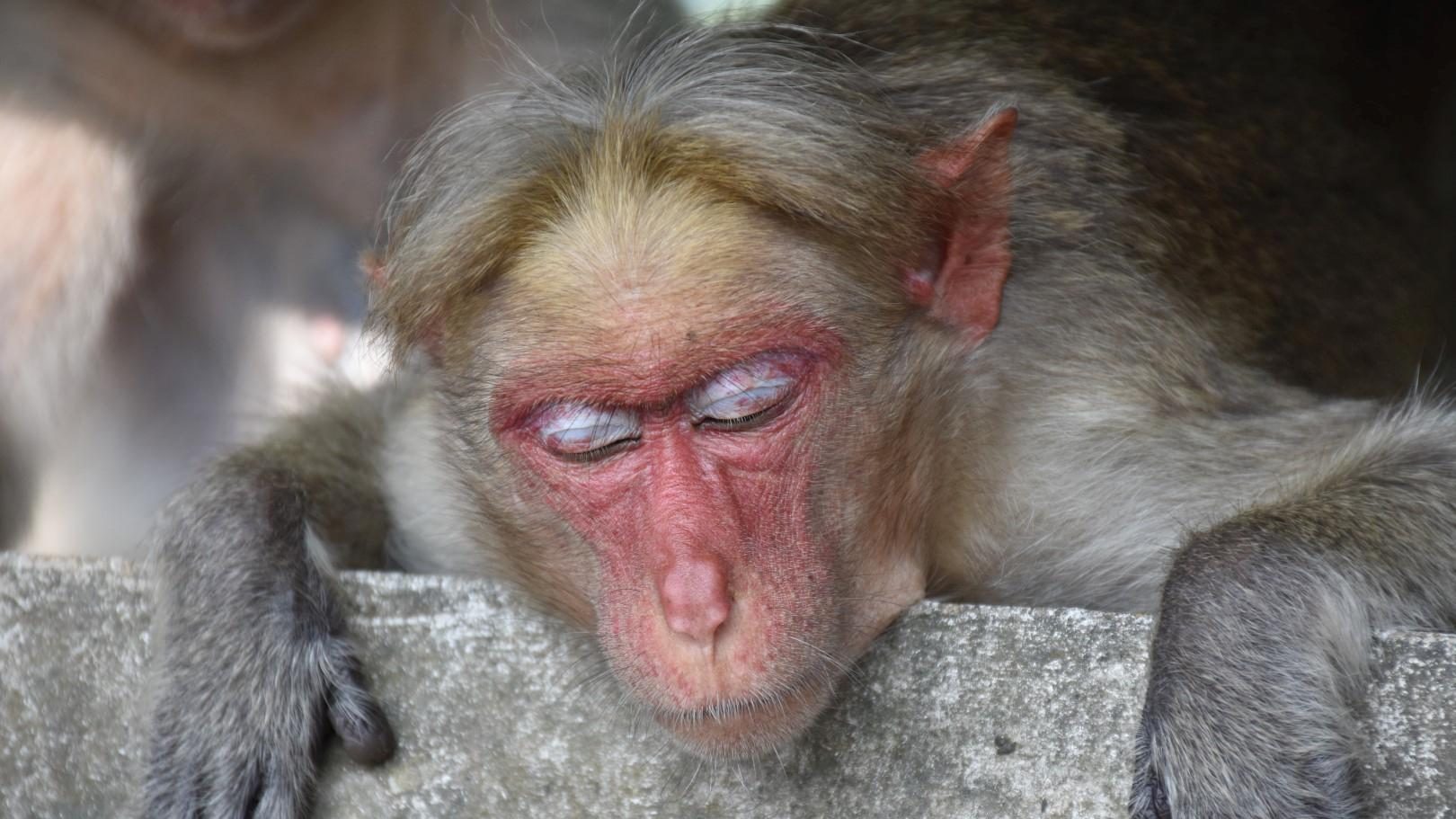
A demographic survey carried out by the team in 2022 revealed the presence of approximately 10 bonnet macaque troops that reside in and around the field site. However, by 2023, this number has gone down to approximately 7 troops. This decline in numbers can be attributed mainly to the human-macaque conflict in the area as well as risks such as electrocution and accidents that are a result of existing in an anthropogenic landscape.

In addition to collecting behavioural data, the team also conducts workshops for the local communities in order to raise awareness about the conservation risks to the endemic bonnet macaque.